Nato to set up liaison office in Tokyo

In May, Japan’s ambassador to the United States said the US-led military alliance was planning a Tokyo office, the first in Asia, to ease regional consultations, but French President Emmanuel Macron objected to the plan.

At the time, China said the Asia-Pacific did not welcome what it called “group confrontation”, urging Japan to be “extra cautious on the issue of military security” given its “history of aggression”.

The Nikkei said Nato would deepen ties with its four major partners in the Pacific, preparing two-way cooperation documents with each, to form a basis for collaboration on issues such as cybersecurity and space.

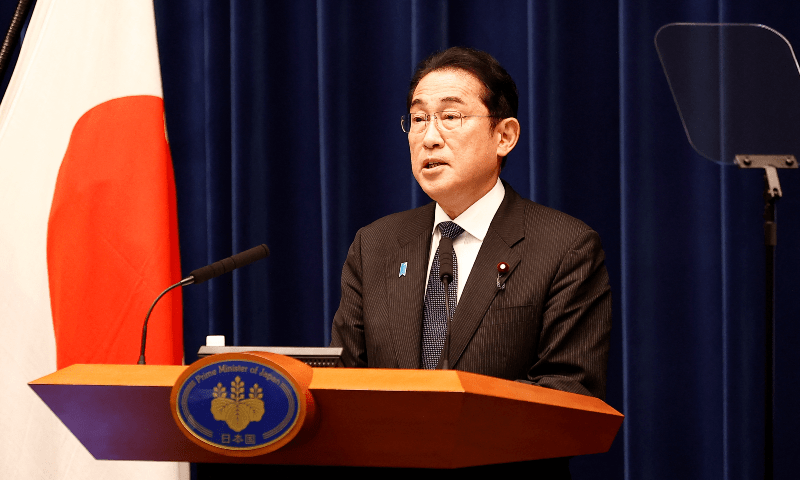
On a visit to Japan in January, Nato chief Jens Stoltenberg pledged with Prime Minister Fumio Kishida to strengthen ties in the face of “historic” security challenges, citing Russia’s invasion of Ukraine and China’s rising military power.

“Australia will have further updates on its partnership arrangements in due course,” a spokesperson for the Department of Foreign Affairs and Trade said.

“All Nato partners are transitioning to the new Individually Tailored Partnership Programme process once their existing partnership arrangements are due for renewal,” the spokesperson said in a statement.

Iran discusses N-plan with Europeans in UAE

“Following diplomatic consultations with regional and extra-regional parties, we met with our German, French and British counterparts in Abu Dhabi and discussed a range of issues,” deputy foreign minister and top nuclear negotiator Ali Bagheri tweeted.

Germany’s foreign ministry said the meeting took place on Monday and that discussions broached topics concerning Iran’s nuclear programme.

State news agency IRNA added that Bagheri was also in Abu Dhabi to discuss with the officials the promotion of bilateral cooperation and to review regional issues.

Iran’s nuclear programme has long been the subject of scrutiny from Western powers, resulting in sanctions that have hit the country’s economy.

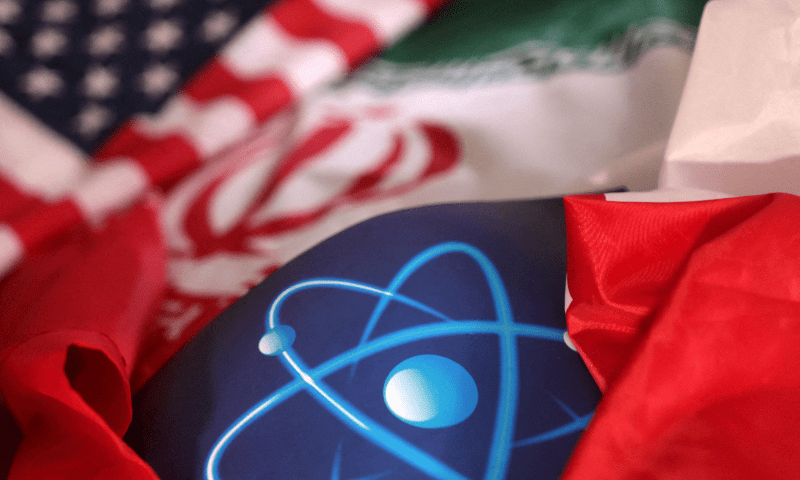
A landmark deal in 2015, formally known as the Joint Comprehensive Plan of Action (JCPOA), gave Iran sanctions relief in exchange for curbs on its nuclear programme to guarantee that Tehran could not develop a nuclear weapon — something it has always denied wanting to do.

But the US unilateral withdrawal from the accord in 2018 under then-president Donald Trump and the reimposition of biting economic sanctions prompted Iran to begin rolling back on its own commitments.

On-off negotiations with France, Germany, Britain, Russia and China directly, and the United States indirectly to revive the deal have stalled in the past months.

Iranian foreign ministry spokesman Nasser Kanani on Monday said the country has continued indirect negotiations with the United States over the issue.

On Sunday, Iran’s supreme leader Ayatollah Ali Khamenei reiterated that the country does not seek to acquire a nuclear weapon, adding that agreements could be reached in certain nuclear fields.

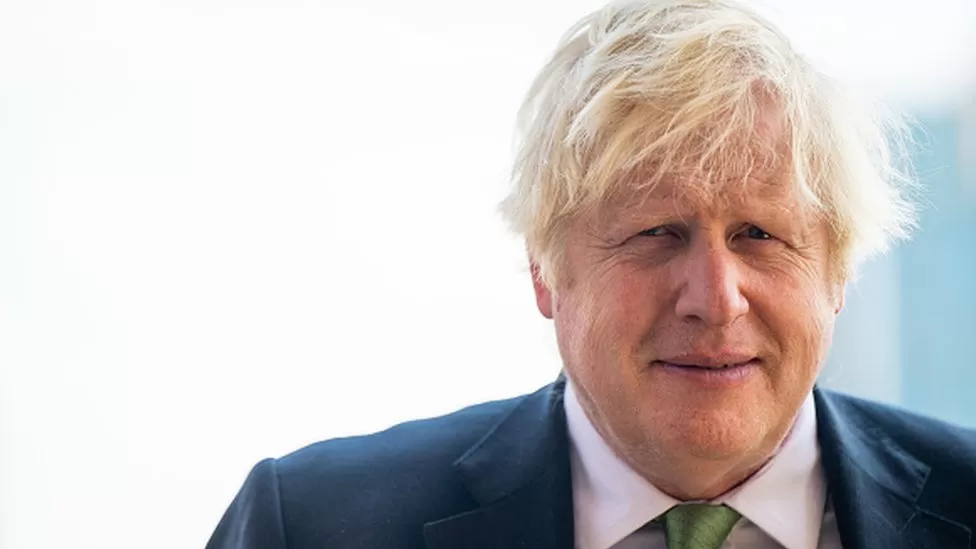
Boris Johnson has submitted a last-ditch letter to the MPs investigating whether he misled Parliament over lockdown parties, as they prepare to publish their findings.

The privileges committee said it was “dealing with” submissions received from the former PM at 23:57 on Monday.

The committee is set to publish its conclusions this week, but is unlikely to do so on Wednesday, as expected.

Mr Johnson quit as an MP last week after seeing the committee’s report.

In a statement, Mr Johnson said the committee should “publish their report and let the world judge their nonsense”, adding “they have no excuse for delay”.

“I have made my views clear to the committee in writing – and will do so more widely when they finally publish,” he said.

Under the published process, Mr Johnson was entitled to respond to the committee up to 14 days after receiving its draft findings, which were sent last week.

The committee said it would deal with the new developments and “report promptly”.


Last week, the former prime minister branded the committee a “kangaroo court” whose purpose “has been to find me guilty, regardless of the facts”.

Mr Johnson accused the committee of mounting a “witch hunt” against him, and its chairwoman, Labour’s Harriet Harman, of showing “egregious bias”.

The committee said it had “followed the procedures” at all times and accused Mr Johnson of impugning “the integrity of the House by his statement”.

For almost a year, the seven-person committee – a majority of whom are Conservatives – have been considering whether Mr Johnson misled MPs about Covid-19 breaches in Downing Street and what he knew about them.

Giving evidence in March, Mr Johnson admitted misleading Parliament, but denied doing it on purpose.

He said social distancing had not been “perfect” at gatherings in Downing Street during Covid lockdowns, but insisted the guidelines, as he understood them, were followed at all times.

The Partygate scandal dogged Mr Johnson’s premiership, with police fining him for breaking Covid rules in 2020 – making him the UK’s first serving prime minister to be sanctioned for breaking the law.

Mr Johnson’s resignation as an MP, which has triggered a by-election in his marginal constituency of Uxbridge and South Ruislip, came last Friday.

Mr Johnson said the draft report he had seen was “riddled with inaccuracies and reeks of prejudice”, adding it was clear the committee was “determined to use the proceedings against me to drive me out of Parliament”.

“They have still not produced a shred of evidence that I knowingly or recklessly misled the Commons,” he said, insisting “I did not lie”.

PM Shehbaz commends Sindh govt’s efforts as it braces for cyclone Biparjoy

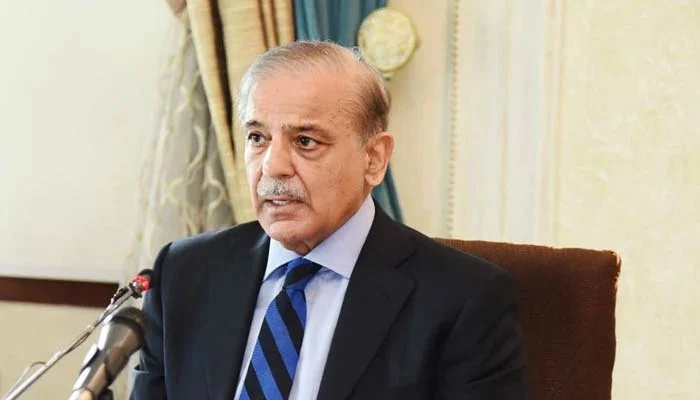
Prime Minister Shehbaz Sharif on Monday lauded the Sindh government for the arrangements it had made to deal with the fast-approaching cyclone Biparjoy — which is expected to make landfall on June 15 between Karachi and India’s Gujarat.

Taking to Twitter, the premier appreciated the efforts being made under the leadership of Sindh Chief Minister Murad Ali Shah.

“I just spoke to CM Sindh Syed Murad Ali Shah and discussed the preparations to deal with the cyclone. I commend the Sindh government for the arrangements it has made under the leadership of the Chief Minister,” wrote the premier on the microblogging site.

Assuring the federal government’s complete support for the Sindh government, PM Shehbaz said that the province will “overcome this situation with the support of the people”.

Earlier today, the Sindh government kicked off the evacuation drive from the coastal areas of Badin, moving the residents to safe places in order to avoid any loss of life.

Meanwhile, the residents residing in the Karachi Defence Housing Society’s (DHA) Darakhshan and Sea View areas have been advised to evacuate voluntarily in the wake of Biparjoy — which is now just 550 kilometres away from the city of lights.

The government had decided to evacuate the residential areas and other human settlements near the coast of Sindh as the risk of tropical cyclone Biparjoy present in the Arabian Sea escalates.

Currently, the Extremely Severe Cyclonic Storm (ESCS) lies about 530km south of Thatta, and 650km southeast of Ormara, expected to maintain a northward trajectory until the morning of June 14, then likely to recurve eastward.

CM Shah said that around 32,466 people of districts Sujawal, Badin, and Thatta and residents of 70 dangerous buildings in Karachi are prone to the cyclone.

“We are taking all-out measures to shift the people to secure areas and removing loose installations like billboards, sign boards, and such other weak structures to avoid any untoward incident,” said the CM while addressing a press conference at the CM House.

He added that under the existing upper-level steering winds, it was most likely to track further in the North-Northeast direction towards Southeast Sindh-Indian Gujarat coast.

Earlier today, CM Shah — along with Local Bodies Minister Nasir Shah, and Sindh Chief Secretary Sohail Rajput — visited Shah Bandar area of the district.

After the visit, the chief minister headed a meeting to review arrangements for mitigating the impact of Biparjoy in the coastal belt at 31 Creek Conference Room in Sujawal.

While briefing the CM on the evacuation work, the Hyderabad commissioner said that the evacuation began from Badin’s zero-point village Bhagra Memon and at least 2,000 people have been evacuated from the island of Shah Bandar.

A total of 50,000 people will be evacuated from the villages of Shah Bandar, Jati, and Keti Bandar.

The chief minister was informed that Biparjoy will hit the coast of Sindh on June 15, but its intensity will subside by June 17 to 18.

However, the seawater will surge as the wavelength will rise up to 4 to 5 metres when the storm hits, he added.

The decision to evacuate areas was taken on Sunday in a meeting chaired by Karachi Commissioner Iqbal Memon, where the participants discussed the preemptive measures regarding the cyclonic storm.

The meeting was attended by Sindh Chief Meteorologist Sardar Sarfaraz, alongside other relevant officials.

The authorities concerned have been directed to implement the evacuation plan in coordination with the Provincial Disaster Management Authority (PDMA) by tomorrow (June 13), when the storm is likely to hit the coast.

Baba Bhit, Mubarak Village, Ibrahim Hydri Village, harbour, and other low-lying areas and villages along the coastal belt are included in the evacuation plan.

The meeting directed the Keamari, Malir, South, and Korangi deputy commissioners to ensure that all the residents of the said areas have been evacuated by the deadline, and shifted to safe places or relief camps set up for the facilitation of evacuees.

Other key decisions

Moreover, directives for the evacuation from “dangerous buildings” have also been issued.

The Sindh Building Control Authority and the deputy commissioners will take “necessary action with regard to the dangerous buildings, building with a weak glass panels, scaffolding at around under construction buildings […]”.

The cranes and other construction machinery installed anywhere in the areas under threat will also be removed.

The evacuees will be provided will all facilities during their stay in the relief camps.

Other key decisions taken in the meeting were the implementation of Section 144 of the CrPC, removal of hoardings and signboards, solar panels, installation of de-watering pumps in the low lying areas and choking points, prevention of electrocution and falling of electricity poles and devising of a contingency plan.

During the meeting, the commissioner alerted all city departments to deal with the threat of Cyclone Biparjoy. He ordered all the relevant bodies to complete their preparations to deal with the aftermath of the cyclone.

Directives to declare high alert in all major city hospitals and establishment of control rooms had also been given.

Biparjoy may hit Pakistan’s coast by June 15

Cyclone Biparjoy is likely to hit the coastal belt of southeast Sindh between Pakistan/Rann of Kutch-Indian Gujarat coasts by June 15 afternoon as a Very Severe Cyclonic Storm (VSCS), officials said on Sunday evening.

The National Disaster Management Authority (NDMA) said that the cyclone could cause strong winds, torrential rains, and floods in coastal areas of the province.

The NDMA directed the authorities concerned to run an awareness campaign in the local language to inform residents of the coastal areas of weather conditions and advise them against visiting the shorelines.

“Fishermen should avoid boating in the open sea. Follow and cooperate with local authorities in emergency situation,” it added.


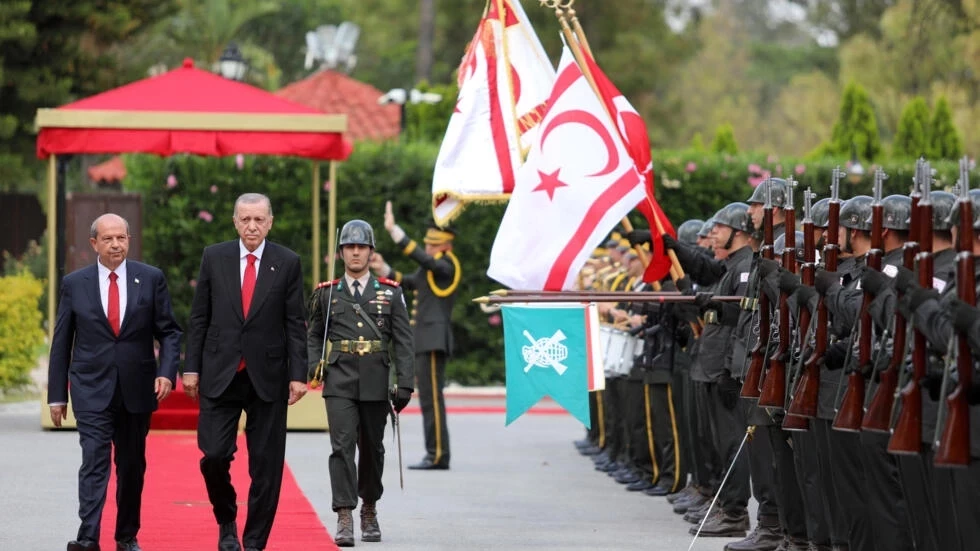
Victorious Erdogan demands recognition of northern Cyprus

Erdogan met the north’s leader Ersin Tatar, whose rule is recognised only by Turkey, two weeks after extending his two-decade rule until 2028.

“If there is to be a return to the negotiating table, the way to do this is through recognition” of the north, Erdogan declared.

Cyprus has been divided since 1974 when the Turkish army invaded the northern third of the island in response to a coup that had sought to unite the entire island with Greece.

United Nations peacekeepers patrol a buffer zone separating the self-proclaimed Turkish Republic of Northern Cyprus (TRNC) from the internationally recognised south.

Turkey’s calls for a “two-state solution” to the Cyprus issue have been rejected by Greek Cypriots who comprise a majority in the south. The Republic of Cyprus along with the international community favours a bi-zonal, bi-communal federation in line with a UN framework.

Nearly 144,000 voters were registered in northern Cyprus, including Turkish settlers and troops and Turkish Cypriots who hold Turkish citizenship.

Erdogan’s performance was hurt in part by an economic crisis that has swept across Turkey and undermined the north’s economy, which relies on Ankara for support.

But some analysts also attributed it to a more accommodating stance taken on the status issue by Kilicdaroglu’s party during the campaign.

Erdogan rejected compromises during his joint appearance with Tatar.

“The just demands of the Turkish Cypriots are clear and unequivocal,” Erdogan said.

“There are two separate peoples in Cyprus,” Tatar added.

The island’s status is one of the world’s longest-running disputes. It has been a source of tension across the Mediterranean region for decades, heating up in more recent years because of the discovery of large energy deposits in the region.

It has also contributed to Turkey’s uneasy relations with Greece and the rest of the European Union.

Ankara maintains more than 35,000 troops in the north.

There have been no formal UN-sponsored peace talks for nearly six years.

Greek Cypriot leader Nikos Christodoulides, who won his own runoff election in February, wants a greater EU role on the Cyprus issue.

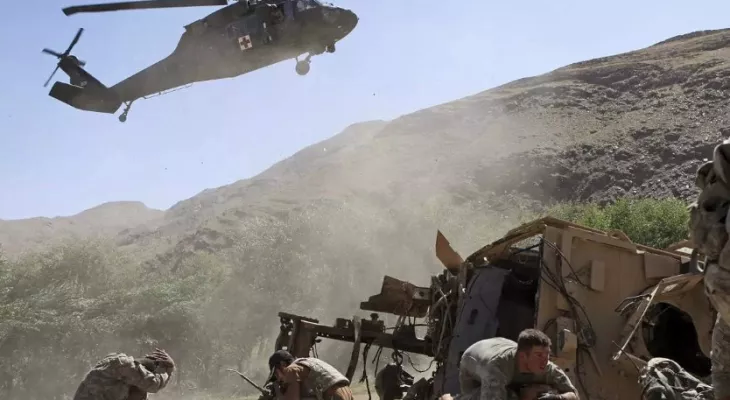
22 US soldiers injured in Syria helicopter ‘mishap’: Centcom

Twenty-two US soldiers were injured in a helicopter accident in northeastern Syria at the weekend that did not involve any reported enemy fire, US Central Command said Tuesday.

“A helicopter mishap in northeastern Syria resulted in injuries of various degrees to 22 US service members” on Sunday, Centcom said in a statement.

“The service members are receiving treatment for their injuries and 10 have been evacuated to higher care facilities,” it said. “The cause of the incident is under investigation, although no enemy fire was reported.”

The United States has about 1,000 troops deployed in Syria as part of international efforts to combat jihadists, and periodically carries out strikes targeting militants in the country.

US bases have been repeatedly targeted in the past year, with cells linked to the Islamic State group claiming responsibility for some of them.

In March the United States carried out air strikes on Iran-linked groups in Syria after a US contractor was killed in a drone attack on a US-led coalition base near the city of Hasakeh in northeastern Syria.

At the time, the Syrian Observatory for Human Rights war monitor said at least 19 people were killed in the US air strikes.

The conflict in Syria has killed around half a million people since it began in 2011 with a brutal crackdown on anti-government protests, spiralling into a complex battlefield involving foreign armies, militias and jihadists.

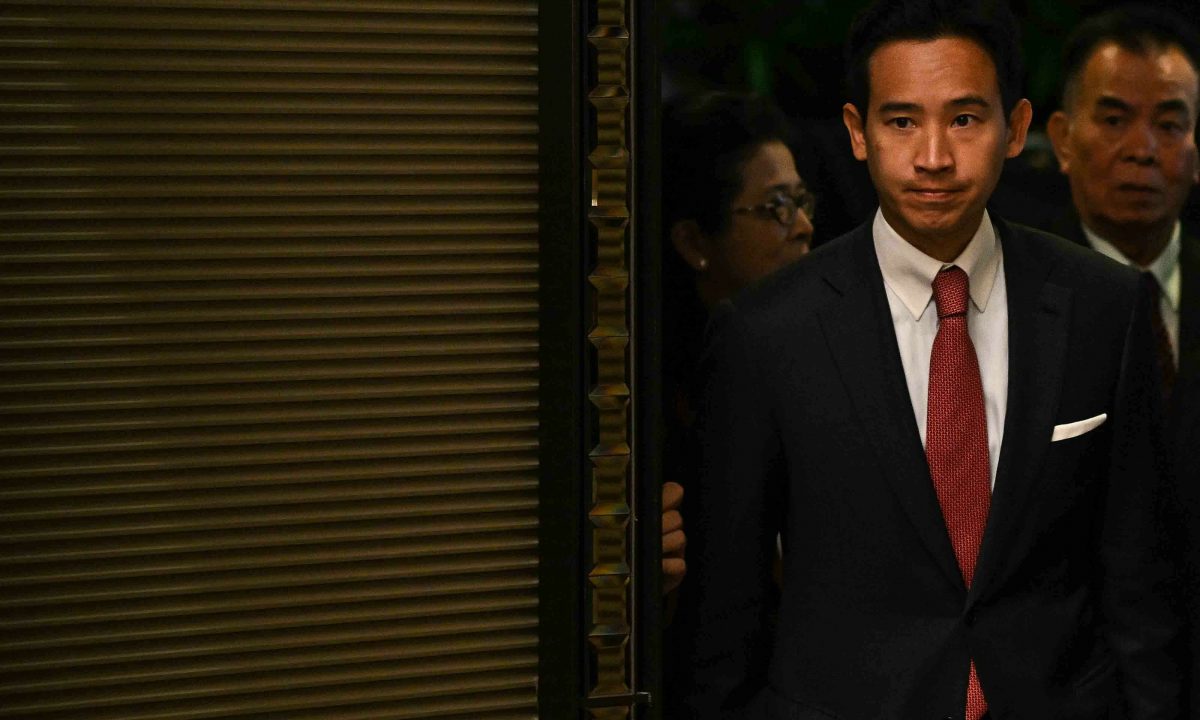
Thai PM frontrunner faces election probe

Pita Limjaroenrat’s progressive Move Forward Party (MFP) won the most seats at last month’s election as voters delivered a crushing rejection of army-linked parties that ran the kingdom for nearly a decade.

But he has faced a number of challenges and complaints, and the election commission has now set up a special committee to investigate whether Pita was qualified to run for office.

“There is sufficient information and evidence to warrant further investigation into whether Mr Pita is qualified to run in the election,” commission chairman Ittiporn Boonpracong said.

“The election commission has set up an investigatory committee to investigate further.” It is not clear how long the investigation will take, but if found guilty, Pita could be disqualified and face up to 10 years in jail.

The probe relates to Pita’s ownership of shares in a now-defunct media company — prohibited under Thai election law. Pita says he inherited the shares in the ITV television station, which has not broadcast since 2007, from his father.

The 42-year-old denies any wrongdoing and the party says it is not worried about the allegations.

Iran says indirect talks with US continue via Oman

Iran’s nuclear programme has long been the subject of scrutiny from Western powers, resulting in sanctions that have crippled the country’s economy.

A 2015 deal granted Tehran much-needed sanctions relief in exchange for curbs on its nuclear programme before it was torpedoed by the United States’ unilateral pullout in 2018.

In recent days, the two capitals have denied media reports that they were close to reaching an interim deal to replace the 2015 accord.

“We welcome the efforts of Omani officials and we exchanged messages with the other party through this mediator” over the lifting of US sanctions, Iran’s foreign ministry spokesman Nasser Kanani said Monday.

Prisoner exchange with Washington could happen soon

“We have never stopped the diplomatic processes,” he added during his weekly press conference, emphasising that the talks “were not secret”.

Diplomatic ties between Tehran and Washington soured in 1980 following the 1979 Islamic revolution led by Iran’s first supreme leader Ayatollah Ruhollah Khomeini. Efforts to revive the 2015 nuclear deal have so far failed to yield results. Iran and its arch-nemesis the United States have also been involved in Oman-mediated talks over a possible prisoner swap.

Kanani on Monday said a prisoner exchange could be agreed “in the near future”, provided that Washington exhibits “the same level of seriousness” as Tehran.

At least three Iranian-Americans are being held in Iran, including businessman Siamak Namazi, arrest­ed in October 2015 and sentenced to 10 years in prison for espionage.

In the last few weeks, Iran has released six European citizens and recovered an Iranian diplomat, Assadollah Assadi, who was convicted of terrorism and imprisoned in Belgium. Kanani also denied that Iran had provided Russia with equipment to “build a drone factory”.

White House national security spokesman John Kirby on Friday warned that Russia was receiving materials from Iran to build a drone factory on its territory.

“We deny any accusations regarding the export of arms to Russia for use in the war against Ukraine,” Kanani said.

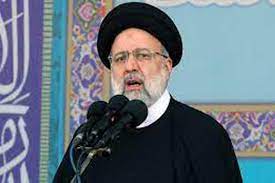
Iran’s supreme leader Ayatollah Ali Khamenei on Sunday reiterated the denial of moves towards acquiring a nuclear weapon.

He also said deals could be reached, provided they do not change “the existing infrastructure of the nuclear industry”.

“We believe diplomacy is the best way to achieve that goal on a verifiable and durable basis, but the President has also been clear that we have not removed any option from the table,” he said, alluding to the possibility of military action.

“Accusations about Tehran seeking nuclear weapons is a lie and they know it. We do not want nuclear arms because of our religious beliefs. Otherwise, they (the West) would not have been able to stop it,” Khamenei said.

China hopes India can meet it halfway in media row

The dispute over media staff is the latest episode to highlight tension between the Asian neighbours since a deterioration in ties in mid-2020 when their troops clashed on their disputed Himalayan frontier and 24 people were killed.

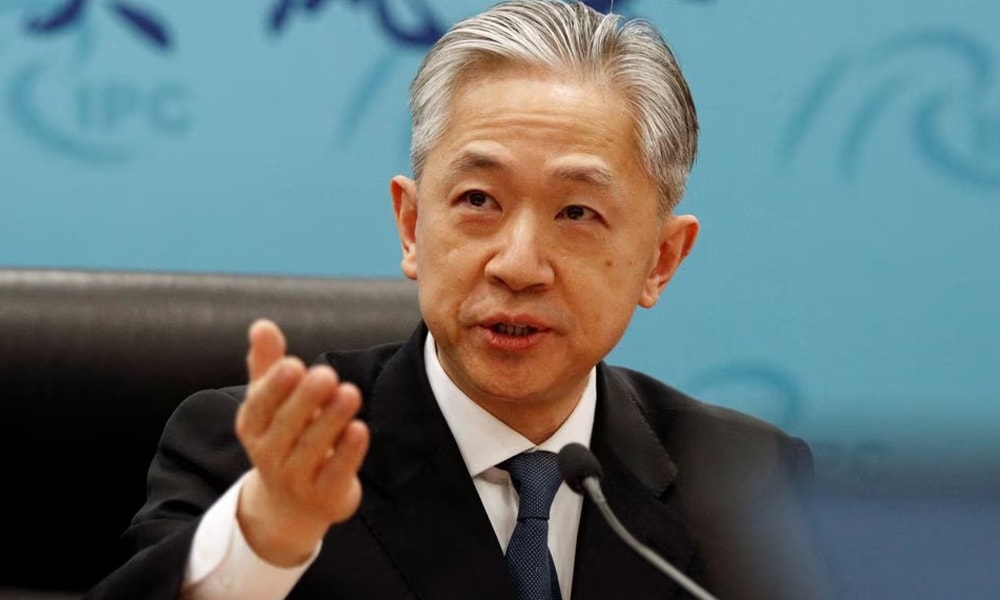
“In recent years, Chinese journalists in India have been accorded unfair and discriminatory arrangements,” Chinese foreign ministry spokesperson Wang Wenbin told a Monday briefing.

“We hope that India will continue to issue visas for Chinese journalists and remove the unreasonable restrictions and create favourable conditions for media exchanges.”

China has declined to renew the visas of the last two Indian journalists based there, citing India taking similar action this month against the two remaining Chinese state media journalists in India.

One of the two Indians, a reporter for the Hindustan Times, left China on Sunday as his visa expired, according to two sources with knowledge of the matter.

The last Indian reporter in China, from Press Trust of India news agency, will leave this month when his visa expires, the sources said.

India had four reporters based in China this year but two were barred from returning in April after being said that their visas were frozen.

That leaves India without a media presence in the world’s second largest economy.

Wang said India had not approved new visas for Chinese journalists since 2020, resulting in a drop from 14 to only one Chinese correspondent there.

“It is very unfortunate that nothing has been done on the Indian side,” he said.

A war of words has erupted between Rishi Sunak and Boris Johnson over the former prime minister’s attempt to give peerages to several close allies.

Mr Sunak accused his former boss of asking him to “overrule” the vetting advice on his House of Lords nominations.

But in a fiery statement, Mr Johnson accused Mr Sunak of “talking rubbish”.

The House of Lords Appointments Commission (HOLAC) said it rejected eight of Mr Johnson’s nominations.

There has been no confirmation of who the nominees were, and why they were not included on Mr Johnson’s controversial resignation honours list.

A Cabinet Office spokesperson said HOLAC did not support the peerage nominations of the MPs put forward by Mr Johnson.

The honours list was published by Mr Sunak’s government on Friday, without the names of some of Mr Johnson’s key supporters, including Conservative MPs Nadine Dorries and Nigel Adams.

A few hours after his honours list was released, Mr Johnson announced he was standing down as an MP over an investigation into whether he had misled Parliament about lockdown parties.

Competing claims have now surfaced about how and why the names would not have appeared on the list.

Mr Adams and Ms Dorries have both announced they would immediately standing down as MPs, triggering by-elections to replace them.

Earlier, the row over the nominations spilled into a public spat between Mr Johnson and Mr Sunak.

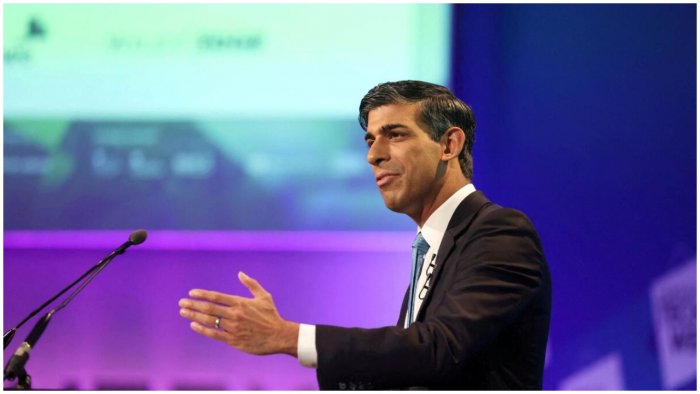
Speaking at a tech conference in London earlier, Mr Sunak claimed Mr Johnson had asked him to do “something I wasn’t prepared to do” on peerage nominations.

“I didn’t think that was right. And if people don’t like that, then tough,” Mr Sunak said.

A few hours later, Mr Johnson claimed it “was not necessary to overrule HOLAC – but simply to ask them to renew their vetting, which was a mere formality”.

Mr Sunak’s comments are the first made publicly about the dispute over peerages, and marks a heightening of tensions between the two.

Their relationship has been an uneasy one after Mr Sunak quit as chancellor in Mr Johnson’s government, setting off a wave of resignations that brought down his premiership.

The process of vetting Mr Johnson’s nominees for peerages appears to be the one of the points of disagreement between the former allies.

There has been speculation in media reports about what would happen if a serving MP was nominated for a peerage, and whether they could remain in the House of Commons until the next general election, before taking up their seats in the Lords.

But HOLAC says its vetting checks expire after six months, meaning its advice on nominations is only valid for that period.

In his statement, Mr Johnson appears to be suggesting the vetting checks for his nominees could be carried out again.

Vetting process

In an interview with TalkTV, Ms Dorries claimed Downing Street had not been “telling the truth” about her nomination for a peerage.

Ms Dorries said Mr Johnson had told her in autumn last year she had been put on his resignation honours list.

The former culture secretary said she had been vetted for the peerage, but because six months had passed, her checks had expired.

She said Mr Sunak and Mr Johnson had a meeting last week to discuss his honours list.

Ms Dorries accused the prime minister of using “weasel words” to give Mr Johnson the impression Mr Sunak would ask HOLAC to restart the vetting process.

She said Mr Sunak used those words because he “knew a situation had been engineered” in which her name would not be on the list.

When asked who she believed had stopped her from entering the House of Lords, she replied: “The prime minister – Rishi Sunak.”

Following her interview, the Cabinet Office said it would be “unprecedented for a sitting prime minister to invite HOLAC to reconsider the vetting of individual nominees on a former prime minister’s resignation list.

“It is not therefore a formality.”

Nominations convention

As a departing prime minister, Mr Johnson has the right to nominate people for seats in the House of Lords, and for other honours such as knighthoods.

By convention, current prime ministers pass on the list of nominees to HOLAC, which can recommend their names do not go forward after a vetting process.

HOLAC advises prime ministers on the suitability of candidates for peerages and usually, they accept its recommendations on appointments, whatever the outcome.

But Mr Johnson broke with this convention in 2020, when he nominated businessman Peter Cruddas for a peerage, despite his rejection by HOLAC.

On Sunday, a spokesman for the vetting commission said it had rejected eight of Mr Johnson’s nominations, but declined to name them or say why, adding it “does not comment on individuals”.

Downing Street has insisted that Mr Sunak passed on Mr Johnson’s list of nominations unaltered. It says it also accepted HOLAC’s full approved list and passed it to the King.

But on Monday, a source describing themselves as an ally of Mr Johnson accused the prime minister of “secretly” blocking peerages for “Nadine and others”.

“He refused to ask for them to undergo basic checks that could have taken only a few weeks or even days,” the source added.

“That is how he kept them off the list – without telling Boris Johnson.”