
Prince Talal’s $500m investment in Russia revealed

By investing in Gazprom, Rosneft and Lukoil, Kingdom was likely seeking undervalued assets, but its move came as many Western nations imposed sanctions on Russian energy firms and their executives following Russia’s invasion of Ukraine on Feb 24.

In February, Kingdom Holding invested in global depository receipts of Gazprom and Roseneft worth 1.37 billion riyals ($365 million) and 196 million riyals ($52 million), respectively.

The firm also invested 410 million riyals ($109 million) in Lukoil’s US depository receipts between February and March, filings showed on Sunday as part of a lengthy disclosure of recent investments. It gave no reason for any of its specific investments.

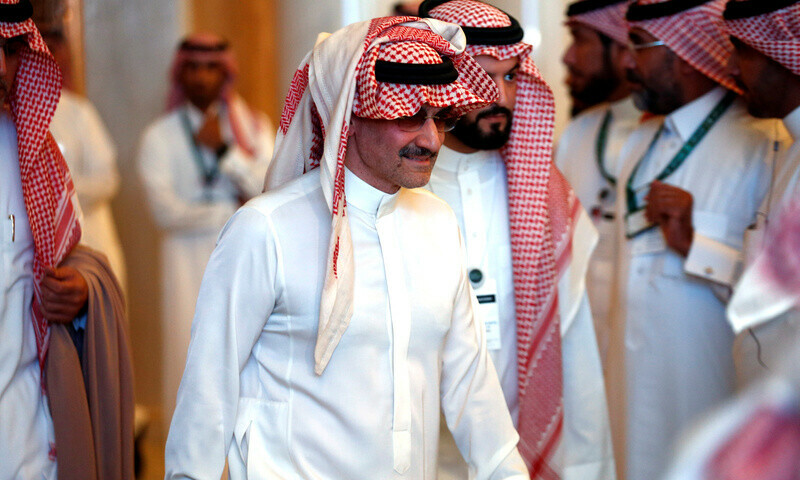
The company, which is 16.9 per cent owned by Saudi Arabia’s sovereign wealth fund chaired by crown prince Mohammed Bin Salman, had not previously revealed the details of its investments.

Prince Alwaleed bin Talal rose to international prominence after making a big successful bet on Citigroup Inc in the 1990s, and was an early investor in Apple Inc.

The prince has also made hundreds of millions of dollars by investing in companies such as Uber Techn­ologies Inc to Twitter Inc.

Saudi Arabia and other Gulf states have so far tried to maintain what they say is a neutral position on the war in Ukraine, frustrating some Western officials who have sought to isolate Russia over the invasion.
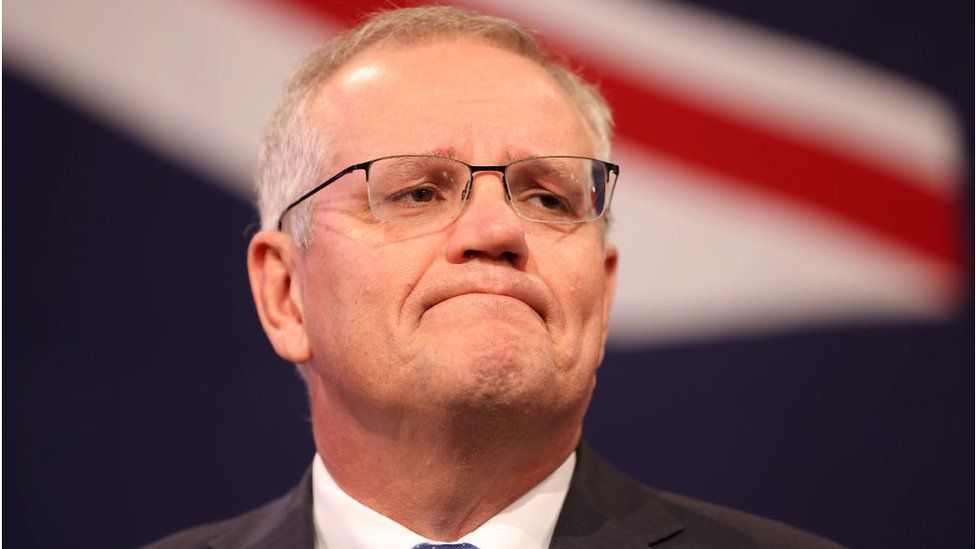
Australia’s former PM Scott Morrison secretly held five roles in the ministry, the current Prime Minister Anthony Albanese says.

He described his predecessor’s actions as an “unprecedented trashing of our democracy”.

Mr Morrison is facing calls to resign as an MP following the revelations, which began emerging on Monday.

But he has defended his actions, saying it was during the Covid pandemic and he “acted in good faith in a crisis”.

On Tuesday Mr Albanese said he had been told by the Department of Prime Minister and Cabinet that Mr Morrison became joint minister for the health, finance, treasury, home affairs and resources portfolios in the two years before losing power in May.

This “deliberately undermined the checks and balances that are so important and essential for our democracy”, Mr Albanese said.

He added that it was “completely extraordinary” that these appointments had been kept secret from Australian voters.

Some ministers – including the then finance minister Mathias Cormann – were reportedly unaware they were sharing portfolios with Mr Morrison.

Former home affairs minister Karen Andrews told local media she would tell Mr Morrison to resign as an MP.

“For a prime minister to behave in this manner undermines everything that a federal government constitutionally should stand for,” she told news.com.au.

However in a long Facebook post Mr Morrison sought to explain his conduct, which he said was designed to ensure government could continue operating if ministers were incapacitated by Covid.

“The risk of Ministers becoming incapacitated, sick, hospitalised, incapable of doing their work at a critical hour or even fatality was very real,” he said.

He admitted that appointing himself to the extra portfolios had been unnecessary and said he had forgotten doing so. “There was a lot going on,” he said.

But his decision to assume the resources portfolio was different, he said, because he needed to gain the powers to overrule his minister and block a controversial gas project.

“Once having been given the authority to consider this matter I advised the Minister of my intention to do so…” he said. “I believe I made the right decision in the national interest.”

Mr Albanese said he would be receiving legal advice on Mr Morrison’s actions from Australia’s Solicitor General.

Yesterday the Australian public, media and political sphere were all left scratching their heads about how and why the former prime minister secretly appointed himself to several ministerial positions.

Today’s revelations didn’t make the matter clearer, but the list of ministries held by the former prime minister got longer!

At one point in his leadership, Mr Morrison was also operating as minister of health, finance, home affairs, resources and the treasury. High profile ministerial positions – and the decision-making powers that come with them. All now centralized by one person. All done in secret.

If you’re thinking this is veering off the democracy road you wouldn’t be wrong.

I remember when the former prime minister would stand alongside his then health minister Greg Hunt to hold Covid briefings. Little did the public know that they were hearing from two health minister – one of them secretly self-appointed.

This is so unusual and so politically discombobulating that current PM Albanese said the implications “are still being worked through”.

There is still a lot to untangle about what happened – it’s not entirely clear what administrative loophole the former leader used to assign himself all this power.

But what is clear is that this is a stark break with constitutional conventions. There’s also a glaring lack of transparency. In a democracy, the public has the right to know who is in charge of what in any government so they can be held accountable.

That was not the case with the Morrison Government during the pandemic.

The former prime minister has argued that these were unprecedented times but did not explain why that meant he had to secretly share key portfolios with his ministers. If this was really about taking charge in a time of crisis, why the cloak and dagger approach?

Mr Albanese was asked if he know why, he said “If you work it out, let me know…”

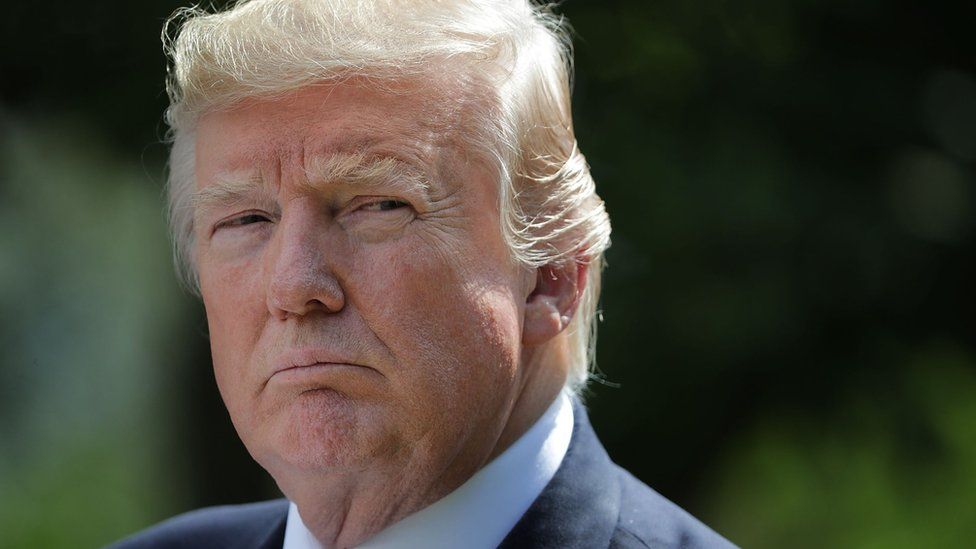
The US Department of Justice says releasing details about the warrant used to raid Donald Trump’s Florida home last week could cause “irreparable damage” to its investigation.

It wants to keep the affidavit, a court document showing the evidence required to obtain the warrant, under wraps.

FBI agents searched Mar-a-Lago to find out if Mr Trump improperly handled government records when he left office.

It was the first time an ex-president’s home was raided in a criminal probe.

Eleven sets of classified files were recovered from the search one week ago at the estate in Palm Beach, according to the warrant, which was released on Friday.

Now, several news organisations have applied to have the affidavit unsealed.

But prosecutors said on Monday that such a move would “cause significant and irreparable damage to this ongoing criminal investigation”.

“If disclosed, the affidavit would serve as a roadmap to the government’s ongoing investigation, providing specific details about its direction and likely course, in a manner that is highly likely to compromise future investigative steps,” they wrote in a court filing.

They also said the affidavit must stay sealed because the inquiry involves “highly classified materials”.

US attorney general: I personally approved Mar-a-Lago search warrant

On Monday, Mr Trump said the FBI took three of his passports during the raid – a step that would ordinarily only be taken if investigators deemed a suspect a flight risk.

“This is an assault on a political opponent at a level never seen before in our Country. Third World!” Mr Trump posted on his social media platform, Truth Social.

A law enforcement source later confirmed to CBS News – the BBC’s US partner – that passports belonging to Mr Trump had been taken by investigators on 8 August.

In an email from the justice department to Mr Trump’s team, an official said: “We have learned that the filter agents seized three passports belonging to President Trump, two expired and one being his active diplomatic passport” – and that they had been made available for pickup on Monday.

US media reports suggest the passports have now been returned.

The FBI search has triggered an angry backlash from Trump allies, with many demanding the affidavit be publicly unveiled.


Republican Senator Mike Rounds told NBC on Sunday: “The justice department should show that this was not just a fishing expedition, that they had due cause to go in and to do this, that they did exhaust all other means.”

Congressman Jim Jordan, an Ohio Republican, told Fox News that 14 FBI agents had come forward to him to blow the whistle on purported politicisation at the justice department.

Search warrants typically must be signed off by a judge, once prosecutors have demonstrated they have probable cause to believe a crime has been committed.

Donald Trump’s Florida home Mar-a-Lago

The warrant used in the Trump raid was made public on Friday – a highly unusual move during a criminal investigation, which Attorney General Merrick Garland said was down to “substantial public interest”.

In Monday’s court filing, prosecutors cited threats against the FBI as another reason to keep the affidavit from public view.

“Information about witnesses is particularly sensitive given the high-profile nature of this matter and the risk that the revelation of witness identities would impact their willingness to co-operate with the investigation,” said the court filing.

The FBI and Department of Homeland Security issued a memo on Friday night to law enforcement around the country noting an “increase in violent threats posted on social media against federal officials”.

Torrential rain and thunderstorms are forecast across England and Wales with forecasters warning of sudden flooding.

The Met Office has issued two yellow warnings for thunderstorms on Tuesday and Wednesday with possible travel disruption, power cuts, hail and lightning strikes.

A separate yellow warning for rain, heavy at times, covers Scotland.

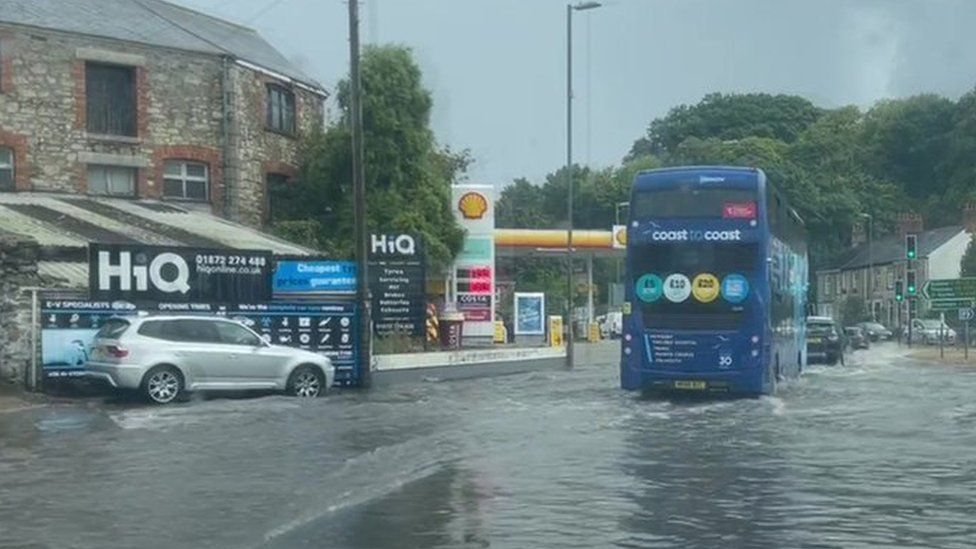
On Monday stormy conditions brought heavy rain to the South West causing flooding in Cornwall and Devon.

It comes after a prolonged heatwave last week saw temperatures peak at 34.9C in Charlwood, Surrey, on Sunday, and weeks of little rain causing drought across parts of the UK.

Heavy rain is unlikely to ease the drought because rainwater struggles to permeate dry ground, meaning it will run off the dehydrated surface and lead to flash flooding in some areas.

“Temperatures will be lower, looking at highs of around 27C as a maximum temperature, but it will still be on the humid side on Tuesday,” said Met Office meteorologist Greg Dewhurst.

“Thundery showers across central and southern parts of England on Wednesday and temperatures will be around 26C as a maximum.”

The rain will likely become more concentrated in southern parts of England, with hail and frequent lightning and flash flooding possible in areas further south. The downpours across Scotland are expecting to gradually clear as the day goes on.

The Met Office yellow warning for thunderstorms on Tuesday says although some places will stay dry, others will see rain bring disruption including train and bus cancellations and power cuts.

Flooding of homes and businesses could happen quickly, and “fast flowing or deep floodwater is possible, causing a danger to life”.

A second yellow warning for thunderstorms, lasting all day Wednesday, covers southern England.

Staff at The Milky Way adventure park in Devon clearing out floodwater inside the premises
A roundabout in Cornwall was flooded but the water quickly drained away

On Monday, footage on social media showed a roundabout in Truro, Cornwall, quickly flooding as showers moved in.

And in Belfast, a shopping centre was forced to close after flooding caused by water coming in through the roof.

A Tesco supermarket and Vue cinema in Inverness also closed after their roofs collapsed following an intense downpour at Inshes Retail Park.

A lightning strike has blown a hole in the roof of a home in the Isle of Man, where emergency services confirmed four homes were hit during a thunderstorm overnight.

Professor Hannah Cloke, an expert in hydrology at the University of Reading, speaking about the risk of flooding in drought-hit areas, said: “The ground is really dry and when it is so dry it acts a little bit like concrete and that water can’t get in so it drains straight off.

“There is the damage to homes and businesses these floods can cause, and inconvenience with transport disruptions, but if it is very heavy in one place it can also be very dangerous.”

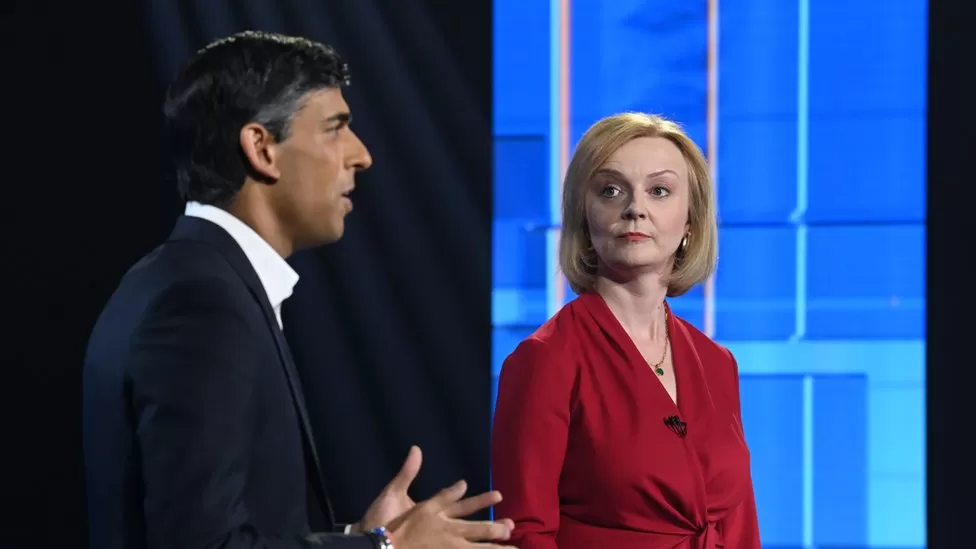
Leadership candidates Liz Truss and Rishi Sunak are to pitch for the votes of Scottish Conservative members at a hustings in Perth.

Both have stated their opposition to a referendum on Scottish independence and want their policies to apply UK-wide.

And each has policies to challenge the Scottish government, calling for greater scrutiny of the SNP’s record.

The SNP said neither candidate was offering a solution to the cost of living crisis.

Both candidates would boost support for independence, they added.

The two contenders to replace Boris Johnson as prime minister are taking part in a series of events around the UK.

The event in Perth will give local Tory members the chance to question the candidates on Scottish issues as well as other topics such as the cost of living.


Both have stated their opposition to an independence referendum, despite the Scottish government’s plans to hold a vote in October 2023.

And they have set out a series of policies aimed at strengthening the union and increasing the visibility of the UK government north of the border.

Mr Sunak has announced proposals to reform a team of advisers within Downing Street known as the “union unit”.

The former chancellor said his future reforms would ensure “every single” government department operated UK-wide, despite key policy areas such as education and health having been in the control of Holyrood since devolution in 1999.

He has also called for Scotland’s top civil servant to testify before a Westminster committee on an annual basis, while requiring the Scottish government to publish consistent data on the delivery of key services so these can be compared UK-wide.

He said: “The future of the United Kingdom is bright but our union must work together, each nation shoulder to shoulder, to get there.

“We must defeat the collective challenges threatening the health of our public services. Under my plans, the UK government will play its part, but the same must be reciprocated by Holyrood.”

Ms Truss meanwhile has stressed that she would retain the “minister for the union” title Boris Johnson took on as prime minister.

She said she would make changes to the Scotland Act to give MSPs the same full parliamentary privilege as MPs at Westminster.

MPs have legal immunity from prosecution over statements made in the Commons, while MSPs have a narrower set of protections against defamation claims and some court actions.

Ms Truss said giving MSPs the same status as MPs “would allow for more robust questioning for ministers” and would “increase the powers of the Scottish parliament to hold the Scottish government to account”.

She said: “For too long, people in Scotland have been let down by the SNP focusing on constitutional division instead of their priorities. That won’t happen under my watch. I’ll make sure that my government does everything to ensure elected representatives hold the devolved administration to account for its failure to deliver the quality public services, particularly health and education, that Scottish people deserve.”

Ms Truss was criticised following an earlier hustings when she described Ms Sturgeon as an “attention seeker” who was best ignored.

The first minister hit back by claiming that the foreign secretary had once asked her for advice on how to be featured in the fashion magazine Vogue.

The two remaining candidates have taken part in a series of hustings events as well as head-to-head debates

Both candidates have won the backing of a number of Scottish Conservative MPs and MSPs.

However the party’s Scottish leader Douglas Ross has said he will not be publicly backing either, saying he will “work with whoever emerges victorious”.

The SNP said both candidates should “apologise for the Tory failings that have pushed so many families to the brink”.

The party’s Westminster leader Ian Blackford said: “During the cost of living crisis, many neighbouring countries have capped energy price increases, cut VAT on bills and offered meaningful financial support to the most vulnerable, the UK Tory government has sat on its hands – and both Rishi Sunak and Liz Truss have said nothing.

“Whoever wins this leadership contest, Scotland loses. That’s why we need the full powers of independence to banish Westminster governments Scotland doesn’t vote for and to deliver for the people who live here.”

On Monday, Welsh former cabinet minister Alun Cairns switched his support from Mr Sunak to Ms Truss, saying she was the best candidate to keep the UK together.

The ex-Welsh secretary argued the union would be more likely to break up under Mr Sunak, compared to his opponent and praised Liz Truss for her “positive ambition for our country”.

It may seem like the Conservative leadership contest has been going on for about five years, but somehow there are still three weeks to go until one of the two contenders enters Downing Street.

That means there may still be time for them to win over some crucial votes.

Scotland has not been a huge focus of the campaign so far – possibly because the contest thrives on where the candidates differ, and they are in broad agreement about affairs north of the border.

Both are critical of the SNP and the Scottish government; both would refuse to back an independence referendum; and both want to do more to push their policies UK-wide.

But some Scottish Tories have said they are still waiting to hear more specific discussion before they make up their minds.

They may also want to look the candidates in the eye and really test their attitude and tone when it comes to those issues where they have a settled position. How serious are they, really, when it comes to the union, and holding their own against the Scottish government?

To be frank, which of them will be a better prospect with voters north of the border when it comes to a future election?

Independence Day: “India Is Mother Of Democracy,” PM Modi In Address To Nation

New Delhi: 

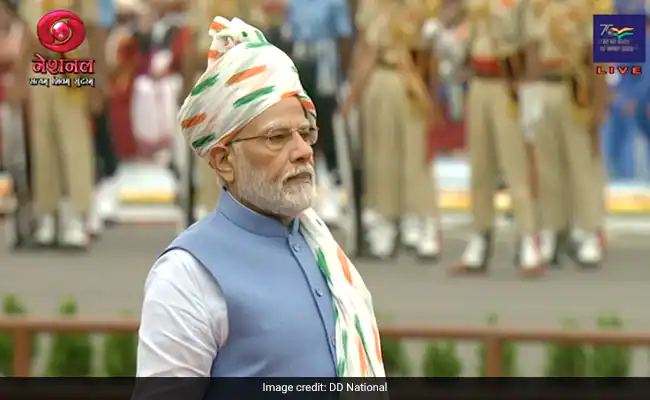
Prime Minister Narendra Modi today led the Independence Day celebrations from the ramparts of the Red Fort in New Delhi.

“Our tricolour is waving in its full glory not only in India, but in every corner of the world,” the Prime Minister said in his address to the nation.

He said the completion of 75 years of Independence was a time to step towards a new direction with a new resolve.

PM Modi offered tributes to a galaxy of freedom fighters, including Mahatma Gandhi, Netaji Subhas Chandra Bose, Babasaheb Ambedkar, Veer Savarkar, Bhagat Singh, Jawaharlal Nehru among others.

“During our freedom struggle, there was not one year where our freedom fighters did not face brutality and cruelty. Today is the day when, as we pay them our respects, we need to remember their vision and dream for India,” PM Modi said.

No end in sight to misery of Balochistan as rain kills another 10

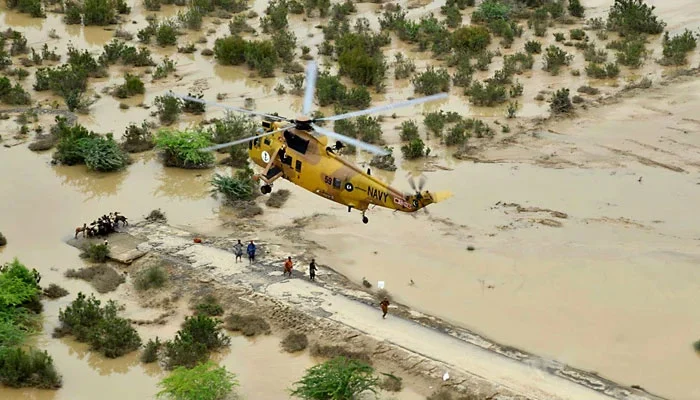
The fresh spell of heavy rains has further aggravated the misery of people in Balochistan as 10 more citizens were killed during the last three days, while infrastructure, including houses, roads and bridges were wrecked.

The rain-hit infrastructure badly affected the traffic movements at the Kohlu-Quetta National Highway. Besides this, an event related to Independence Day was also postponed due to extreme weather conditions


As many as 200 houses were damaged in Qila Abdullah due to flash floods, while most link roads and bridges were washed away.

In addition, two people drowned in flash floods in Toba Achakzai, while the lower areas were submerged in Barkhan, Rakhni, Dera Bugti, Sheerani, Koh-e-Sulieman, Ziarat and Qila Saifullah, The News reported.

Besides this, the areas of Maidani and Pachad are also at risk of submerging amid high flow in the riverbeds after heavy rains in Chaman and the mountain terrain of Koh-e-Sulieman.

The ongoing monsoon rains continued to wreak havoc in Balochistan, with flash-floods in Qila Abdullah and several other areas, devastating the homes of thousands of people and killing hundreds. Three dams have washed away and many link roads have been destroyed in Qila Abdullah.

Vigorous monsoon activity in coming days

The woes of Balochistan are far from ending as the Pakistan Meteorological Department (PMD) has forecast more rains not only in the province, but also in Sindh and South Punjab.

The Met Office, in a statement, said that depression has developed in Arabian Sea which is likely to move towards the west along the Makran coast.

Due to this weather system, monsoon currents are continuously penetrating in southern parts of the country. Another low pressure (LPA) is likely to approach Sindh on 16th August.

Under the influence of this weather system, widespread rain-wind/thundershowers — with scattered heavy to very heavy falls — are expected in Sindh and Balochistan from August 16-18 with occasional gaps.

It warned that flash flooding is expected in Qilla Saifullah, Loralai, Barkhan, Kohlu, Mosa Khel, Sherani, Sibbi, Bolan, Kalat, Khuzdar, and Lasbella, Awaran, Turbat, Panjgur, Pasni, Jiwani, Ormara, Gwadar from August 14-18.

The Met asked fishermen to remain more cautious from August 16-18. It also asked travellers and tourists to remain more cautious during the forecast period.

“All concerned authorities are advised to remain alert and to take necessary precautionary measures during the forecast period,” the meteorological department said.

Iraq’s judiciary dismisses Moqtada Sadr’s demand to dissolve parliament

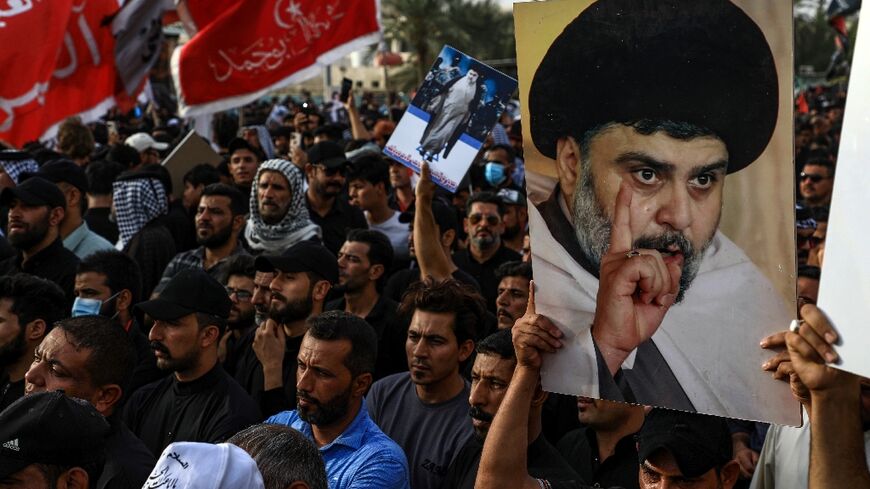
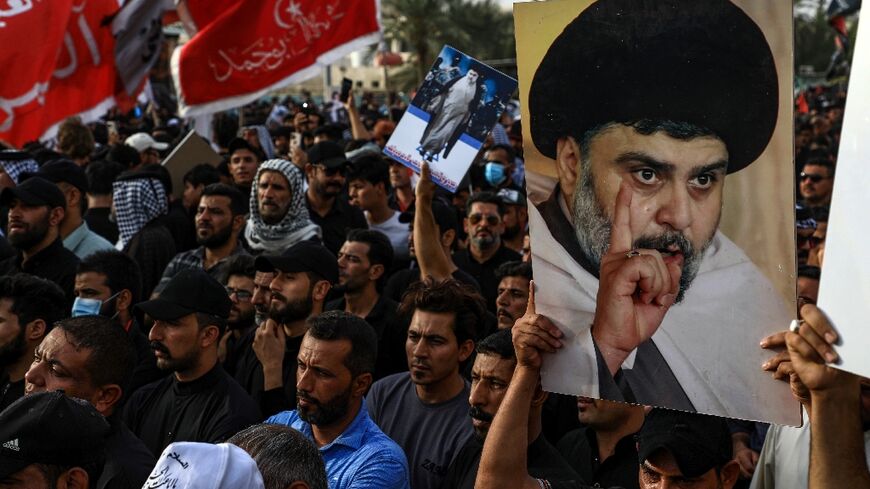
Followers of Sadr, in defiance of his rival and pro-Iran Coordination Framework, have been staging a sit-in protest at Iraq’s parliament.

In the latest twist to the political turmoil, the firebrand cleric has urged the judiciary to dissolve parliament by the end of this week to pave the way for new legislative elections.

But the judiciary replied that “the Supr­eme Judicial Council has no jurisdiction to dissolve parliament”, citing “the principle of a separation of powers”.

Under the constitution, parliament can only be dissolved by an absolute majority vote in the house, following a request by one-third of deputies or by the prime minister with the approval of the president.

Nearly 10 months on from the last elections, Iraq still has no government, new prime minister or new president, due to repeated squabbles between factions over forming a coalition government. In the latest turmoil to strike the oil-rich but war-scarred nation, Sadr has called for “early democratic elections after a dissolution of parliament”.

The Supreme Council said it agreed with Sadr’s criticism of the system’s “failure to elect a president of the republic, a prime minister and the absence of a government formed within the constitutional timeframe”.

“This is an unacceptable situation that must be remedied,” it said.

The Coordination Framework opponents of Sadr launched their own Baghdad sit-in on Friday, nearly two weeks after his supporters stormed parliament and began an open-en­d­ed protest, first inside, then outside the legislature. The opposing encampments are the latest turn in a standoff which has so far remained peaceful.

On Twitter, a close associate of Sadr, Saleh Mohamed al-Iraqi, said it was time to show “which of the two sides has the most support” among the Iraqi people.

He called on Sadr’s supporters across the country to rally in Baghdad for a “million-man demonstration”, without giving a date.

Sadr’s camp launched the sit-in after the Co­­­o­r­dination Framework nominated a candidate they saw as unacceptable for prime minister.

At least 41 killed in Egyptian church fire caused by electrical fault

Followers of Sadr, in defiance of his rival and pro-Iran Coordination Framework, have been staging a sit-in protest at Iraq’s parliament.

In the latest twist to the political turmoil, the firebrand cleric has urged the judiciary to dissolve parliament by the end of this week to pave the way for new legislative elections.

But the judiciary replied that “the Supr­eme Judicial Council has no jurisdiction to dissolve parliament”, citing “the principle of a separation of powers”.

Under the constitution, parliament can only be dissolved by an absolute majority vote in the house, following a request by one-third of deputies or by the prime minister with the approval of the president.

Nearly 10 months on from the last elections, Iraq still has no government, new prime minister or new president, due to repeated squabbles between factions over forming a coalition government. In the latest turmoil to strike the oil-rich but war-scarred nation, Sadr has called for “early democratic elections after a dissolution of parliament”.

The Supreme Council said it agreed with Sadr’s criticism of the system’s “failure to elect a president of the republic, a prime minister and the absence of a government formed within the constitutional timeframe”.

“This is an unacceptable situation that must be remedied,” it said.

The Coordination Framework opponents of Sadr launched their own Baghdad sit-in on Friday, nearly two weeks after his supporters stormed parliament and began an open-en­d­ed protest, first inside, then outside the legislature. The opposing encampments are the latest turn in a standoff which has so far remained peaceful.

On Twitter, a close associate of Sadr, Saleh Mohamed al-Iraqi, said it was time to show “which of the two sides has the most support” among the Iraqi people.

He called on Sadr’s supporters across the country to rally in Baghdad for a “million-man demonstration”, without giving a date.

Sadr’s camp launched the sit-in after the Co­­­o­r­dination Framework nominated a candidate they saw as unacceptable for prime minister.

Republicans fear US rivals could exploit ex-Afghan commandos

“This is especially true given reports that some former Afghan military personnel have fled to Iran,” minority Republicans of the US House Foreign Affairs Committee said in a report on the first anniversary of the Taliban takeover of Kabul.

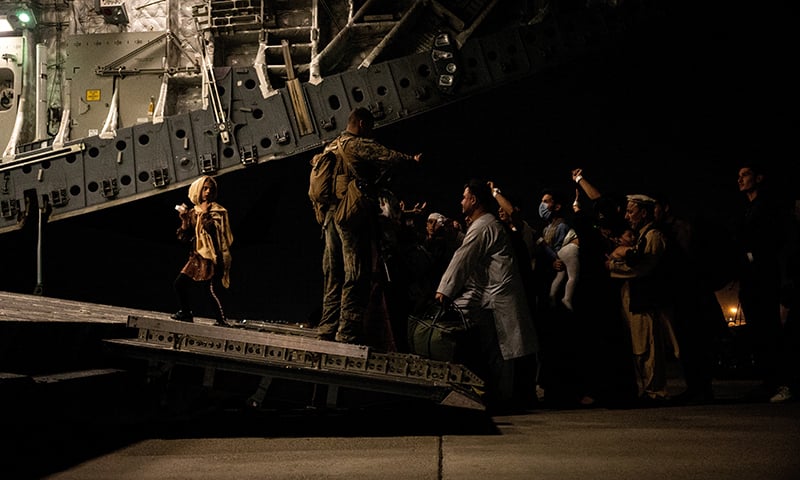
The Biden administration, the report said, failed to prioritise evacuating US-trained Afghan commandos and other elite units in the shambolic Aug 14-30, 2021, US troop pullout and evacuation operation at Kabul international airport.

Thirteen US soldiers died and hundreds of US citizens and tens of thousands of at-risk Afghans were left behind during the operation.

The administration calls the operation an “extraordinary success” that flew more than 124,000 Americans and Afghans to safety and wound up an “endless” war in which some 3,500 US and allied troops, and hundreds of thousands of Afghans died.

But hundreds of US-trained commandos and other former security personnel and their families remain in Afghanistan amid reports the Taliban have been killing and torturing former Afghan officials, allegations the militants deny.

Those former personnel “could be recruited or coerced into working for one of Americas adversaries that maintains a presence in Afghanistan, including Russia, China, or Iran,” the Republican report said.

It called that possibility a “major national security risk” because those Afghans “know the US military and intelligence community’s tactics, techniques, and procedures.” Some US officials and experts say Biden has sought to move on from Afghanistan without properly assessing the war’s lessons and without accountability for the chaotic evacuation.

The Republican report wedded new details of the extraction operation with congressional testimony and military and news reports to show how the administration overrode US commanders’ advice, failed to adequately plan and disregarded the Taliban’s violations of a 2020 pullout deal.

In another finding, it said the administration waited until hours before the Taliban seized Kabul to make key evacuation decisions. They included asking other countries to host transit centers for thousands of Afghan evacuees who worked for the US government during the 20-year American intervention and others at risk of Taliban retribution, said the report.