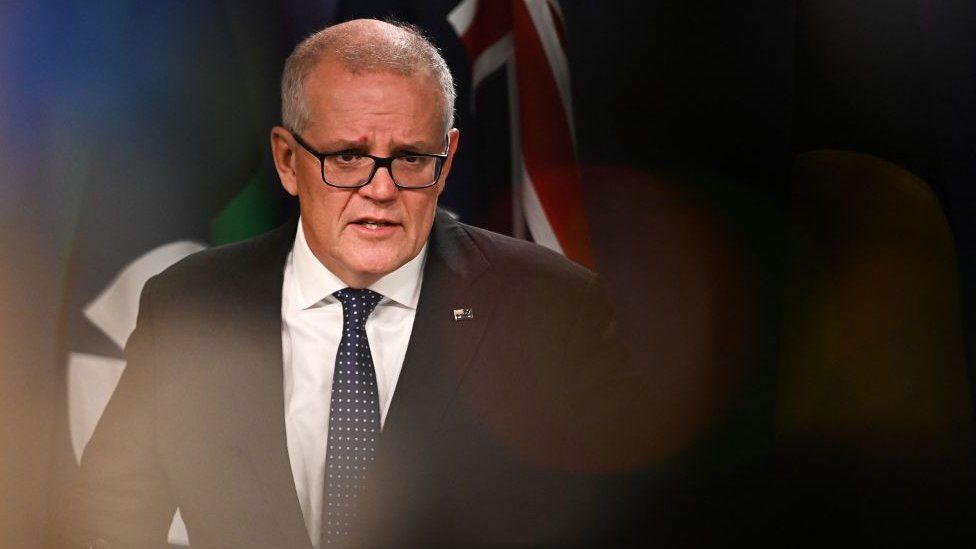

Outgoing UK Prime Minister Boris Johnson has said households across Europe have to endure the cost-of-living crisis to counter Russian aggression during a visit to Ukraine.

Mr Johnson said the West must “stay the course” on Ukraine despite rising living costs, driven by the war.

He said while energy bills were high “the people of Ukraine are paying in their blood” for Russia’s “evils”.

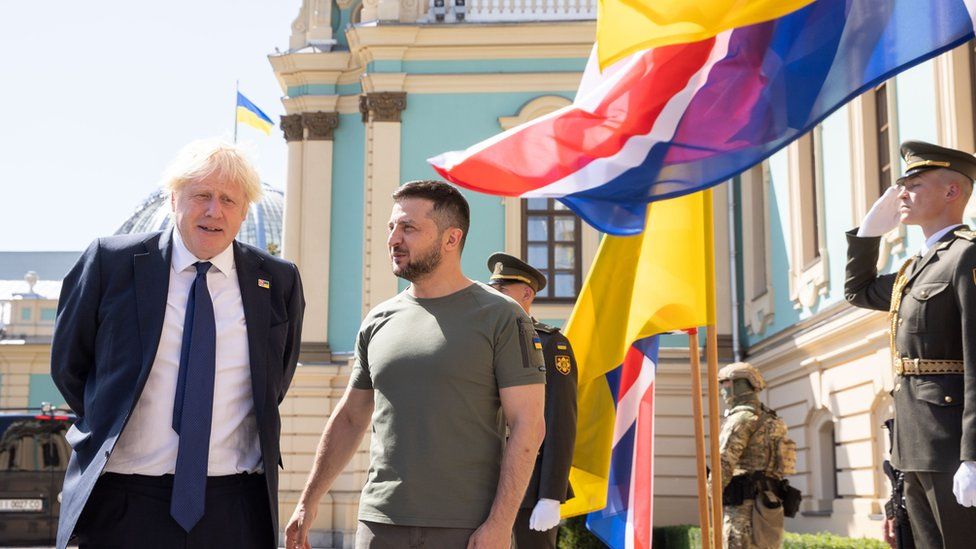
Mr Johnson visited the capital Kyiv to mark Ukraine’s independence day.

A close ally of Ukrainian President Volodymyr Zelensky, Mr Johnson was making his third visit to Ukraine since Russia invaded six months ago.

He claimed Western unity on Ukraine was “growing” despite reports of waning support among European countries as rising energy prices cripple the global economy.

In the UK, the inflation rate is forecast to hit a 42-year high of 13.3% this year, while the economy is expected to shrink for more than a year.

The Bank of England said the main reason for high inflation and low growth was rising energy bills, fuelled by Russia’s invasion of Ukraine.

European countries have accused Russia – a major global supplier of energy – of using gas as a weapon by limiting supplies in response to sanctions.

Mr Johnson acknowledged Western countries had paid a heavy price, including the UK, where Russian President Vladimir Putin’s “ruinous war” had sent energy bills skyrocketing.

“We know the coming winter will be tough and Putin will manipulate Russian energy supplies to try to torment households across Europe,” Mr Johnson said. “Our first test as friends of Ukraine will be to face down and endure that pressure.”

During the trip, he vowed that Ukraine “can and will win this war” against a “barbaric and illegal invader”.

A plaque with Mr Johnson’s name on it was unveiled on the Alley of Bravery

The prime minister also announced a further £54m military support package for Ukraine.

This includes 2,000 drones and loitering munitions which Downing Street said would help Ukraine “to better track and target invading Russian forces”.

The UK is one of the leading donors of military and humanitarian aid to Ukraine, and has imposed sweeping sanctions on Russian targets prosecuting or linked to the war.

It is likely to be Mr Johnson’s final visit to the country as UK prime minister, as he is due to leave office on 6 September.

Mr Johnson said the UK military aid would “give the brave and resilient Ukrainian Armed Forces another boost in capability, allowing them to continue to push back Russian forces and fight for their freedom”.

He was presented with the Order of Liberty – Ukraine’s highest award that can be given to foreign nationals.

And, appearing with Mr Johnson in Ukraine’s capital, Mr Zelensky unveiled a plaque for the UK prime minister on the “alley of bravery” outside the Ukrainian parliament.

In a Facebook post, Mr Zelensky said he was “glad to welcome” Mr Johnson who he described as “a great friend of Ukraine”.

He thanked the UK prime minister for “the uncompromising support of our country from the first days of full-scale Russian aggression, for the steadfast defence of Ukraine’s interests in the international arena!

“Our country is lucky to have such a friend!”

Boris Johnson referenced how President Putin is effectively using the energy crisis as an indirect weapon of war – to “torment households.”

His message to the public that they must “endure” that pressure is striking.

It sounds like an admission that we are vulnerable to such indirect “weapons of war” because we have not yet secured our own energy independence through homegrown supplies.

If we had done that, we would not be as exposed to international price shocks.

He may not have meant it as such, but his words serve as a challenge to whoever succeeds him as prime minister.

They are under pressure to help households with their winter fuel bills, ahead of the energy price cap announcement on Friday.

But they will also need to show how they can rapidly fix the fundamental problem, of domestic supplies not meeting demand.

Other world leaders have also paid tribute to Ukraine as the country marks 31 years since it gained independence from Russia.

US President Joe Biden said Ukrainians have “inspired the world with their extraordinary courage and dedication to freedom”.

Mr Biden also confirmed $3bn (£2.5bn) of fresh US military support for Ukraine – the biggest American package yet – which will help Ukraine to acquire weaponry and equipment.

Mr Zelensky said he was grateful to the US for their “unwavering support”.

The Ukrainian president has vowed to “liberate” all of his country’s territories occupied by Russia without “any concession or compromise”.

Elsewhere, Labour leader Sir Keir Starmer met Ukrainian soldiers being trained by British Army officials at Salisbury Plain.

He said: “The UK remains totally united in the face of Russian aggression. Our commitment to the Ukrainian people will never waver.”
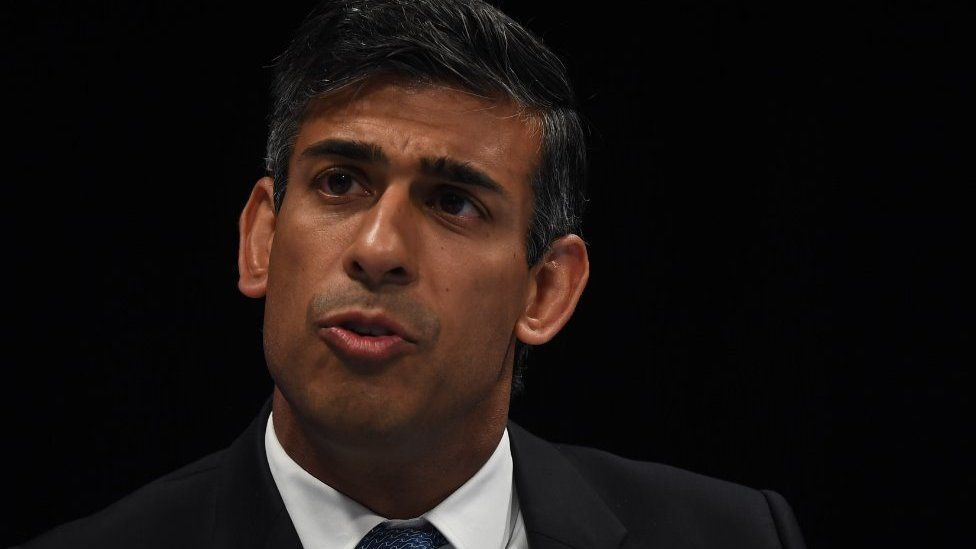
Rishi Sunak has criticised the government’s response to Covid – suggesting independent scientific advisers were given too much authority.

Mr Sunak – chancellor in the pandemic – told the Spectator magazine there had not been enough discussion about the negative side-effects of lockdowns.

He said he had felt “emotional” when he argued to keep schools in England open.

Mr Sunak said it had been “wrong” to scare people with campaign posters showing Covid patients on ventilators.

His comments come as the Conservative leadership contest enters it final days, with the results due on 5 September.

The winner of the contest – Mr Sunak or Foreign Secretary Liz Truss – will replace Boris Johnson as Conservative leader and as prime minister.

During the campaign both candidates have sought to highlight areas where they disagreed with the government in which they served, with Ms Truss saying she was opposed to the rise to National Insurance.

Mr Sunak and Ms Truss are due to take part in a hustings for Conservative Party members in Norwich on Thursday evening.


As chancellor from February 2020 to July 2022, Mr Sunak played a key role in the government’s response to coronavirus, including establishing the furlough scheme.

Speaking to the Spectator, Mr Sunak insisted he did not want to blame individuals but said he believes a series of mistakes were made by ministers during the pandemic.

He said ministers were not given enough information to scrutinise analysis produced by the Scientific Advisory Group for Emergencies (Sage) – a group of independent experts advising the government.

“We shouldn’t have empowered the scientists in the way we did,” he is quoted as saying.

Mr Sunak says ministers should have talked more about what he described as the “trade-offs” of lockdowns, such as NHS backlogs and the impact of children’s education.

“The script was not to ever acknowledge them. The script was: oh there’s no trade-off, because doing this for our health is good for the economy.

“Those meetings were literally me around that table, just fighting. It was incredibly uncomfortable every single time.

“I was like: Forget about the economy. Surely we can all agree that kids not being in school is a major nightmare. There was a big silence afterwards. It was the first time someone had said it. I was so furious.”

The Department of Health has been contacted for a response to Mr Sunak’s comments.

It comes after a report from MPs last year said the UK should have acted sooner to stop Covid spreading early in the pandemic.

Meanwhile, the government has set up an independent public inquiry into its handling of Covid.

Protesting farmers return to Indian capital

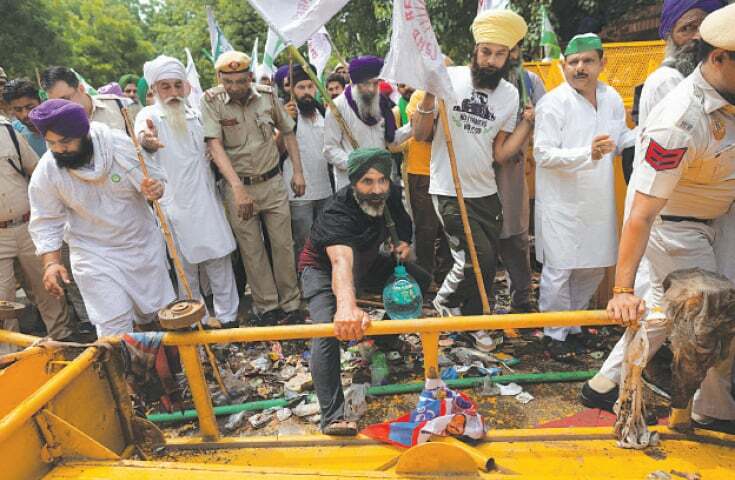
NEW DELHI: Protesters broke barricades and shouted slogans against Prime Minister Narendra Modi in the Indian capital of New Delhi on Monday, after thousands of farmers gathered to protest against what they said were unfulfilled promises by the government.

More than eight months after farmers called off a year-long protest and the government conceded to several of their demands, more than 5,000 farmers gathered in the centre of the capital to protest against Modi and his government.

Farmers are demanding that the government guarantee a minimum support price for all produce and clear all farmer debts, among other things, according to a statement from the Samyukta Kisan Morcha, the farmer organisation that organised the protest on Monday.

A spokesperson for the federal agriculture ministry did not respond to a request for comment.

Protesters wielded banners and flags and broke through barriers as they marched towards the venue, shouting slogans against Modi.

Last November, Modi said he would roll back three farm laws that had aimed to deregulate produce markets but which farmers said would allow corporations to exploit them.

The federal government also agreed to set up a panel of growers and government officials to find ways of ensuring minimum support prices (MSP), as the guaranteed rates are called, for all farm produce.

Last month, the federal government set up the panel and invited representatives of farmer organisations to join in.

Security around the borders of the national capital was tightened and police presence was heightened in and around the protest area.

US commits to Afghan asset talks despite frustration with Taliban

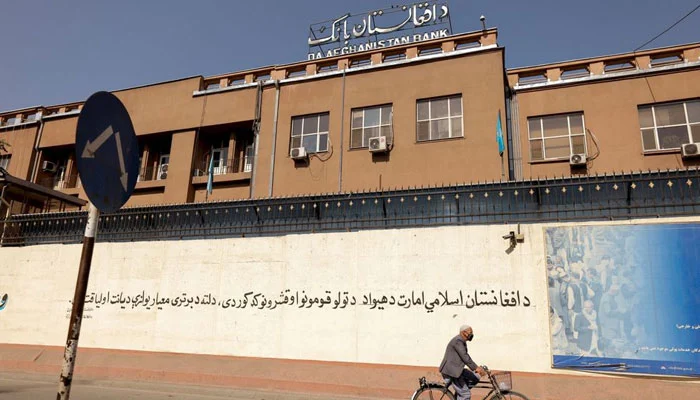
WASHINGTON: US President Joe Biden’s administration will press ahead with talks on releasing billions of dollars in Afghanistan’s foreign-held assets despite the late al Qaeda leader’s presence in Kabul and foot-dragging by the Taliban and Afghan central bank, according to three sources with knowledge of the situation.

The decision to pursue the initiative to help stabilise Afghanistan’s collapsed economy underscores growing concern in Washington over a humanitarian crisis as the United Nations warns that nearly half the country’s 40 million people face “acute hunger” as winter approaches.

At the core of the US-led effort, as Reuters reported last month, is a plan to transfer billions in foreign-held Afghan central bank assets into a proposed Swiss-based trust fund. Disbursements would be made with the help of an international board and bypass the Taliban, many of whose leaders are under US and UN sanctions.


The group presented a counter-proposal in talks in Doha in late June.

US State Department and Treasury officials told independent analysts at an August 11 briefing — 12 days after a CIA drone strike killed al Qaeda leader Zawahiri on a balcony of his Kabul safehouse — they will pursue the talks despite frustration with the pace, two sources said on condition of anonymity.

The Taliban and Afghan central bank — known by the initials DAB — are not acting swiftly, a US official said, according to one source. “The Taliban sit on their hands and it’s infuriating.”

The State Department declined to comment on the briefing.

A knowledgeable US source who requested anonymity confirmed the briefing’s substance.

“The strike did not change the US government’s commitment to setting up the international trust fund” and it is “working with the same speed and alacrity as before the strike,” said the US source.

The Taliban-run foreign and information ministries and DAB did not immediately respond to requests for comment.

US officials also have discussed the trust fund plan with Switzerland and other parties.

Afghanistan’s economic and humanitarian crises deepened when Washington and other donors halted aid that funded 70% of the government budget following the Taliban’s seizure of Kabul on Aug. 15, 2021, as the last US-led foreign troops departed after 20 years of war.

Washington also stopped flying in hard currency, effectively paralysing Afghanistan’s banking system, and froze $7 billion in Afghan assets in the US Federal Reserve Bank of New York. In February, Biden ordered half the sum set aside “for the benefit of the Afghan people.”

Other countries hold some $2 billion of Afghan reserves.

Initially, the $3.5 billion Biden sequestered would be released into the proposed trust fund and potentially could be used to pay Afghanistan’s World Bank arrears and for printing Afghanis, the national currency, and passports, both in short supply.

The other $3.5 billion is being contested in lawsuits against the Taliban stemming from the September 11, 2001, attacks on the United States, but courts could decide to release those funds too.

The assets also eventually could go to recapitalising DAB, bolstering its ability to regulate the Afghani’s value, fight inflation, and provide hard currency for imports.

But after Zawahiri was killed, the State Department excluded recapitalising DAB as “a near-term option,” saying that by harbouring the al Qaeda leader in breach of the 2020 U.S. troop pullout deal, the Taliban had fuelled concerns “regarding diversion of funds to terrorist groups.”

Central bank militants

Two sources quoted the US officials as telling the briefing that proceeding with the talks has become more difficult because of Taliban resistance to several internationally backed demands.

One calls for replacing the two senior militants heading DAB — one is under US and UN sanctions — with experienced professionals to help build confidence that the bank was insulated from Taliban interference.

The Taliban and DAB also have not formally agreed to installing independent anti-money laundering monitors at the bank although they have consented in principle, the officials said, according to the sources.

The officials, the sources said, presented examples of what they described as Taliban and DAB intransigence.

They included refusing to cooperate with an UN-administered scheme to funnel badly needed international aid funds held by the World Bank to humanitarian agencies in Kabul.

The officials also told the briefing that Washington in March asked other governments to encourage private banks to restore “correspondent” relationships with Afghanistan by which international transactions are facilitated, the sources said.

There “wasn’t a whole lot of appetite” for the outreach made through U.S. embassies in diplomatic notes called demarches, a US official said, according to one source.

That was partly due to the absence of independent anti-money laundering monitors at DAB, the official said, according to the sources.

Emergency imposed in four flood-hit KP districts

PESHAWAR/KHAIRPUR: The Khyber Pakhtunkhwa government has declared an emergency in flood-hit areas of Dera Ismail Khan, Upper Chitral, Lower Chitral, and Upper Kohistan districts.

The provincial Relief and Rehabilitation Department issued a formal notification on the directives of Chief Minister Mahmood Khan, said a handout.

CM Khan said he would soon visit the flood-hit districts to look into the losses caused by flash floods and rehabilitation activities carried out by the administration.

He added that he would announce a package for the rehabilitation of flood-affected infrastructure in those districts.


The chief minister directed the relevant officials to expedite relief and rehabilitation activities and ensure the provision of food items and other stuff of daily use to every flood-affected household, The News reported.

He said that he is monitoring the flood situation, and is in contact with the administration concerned.

The chief minister said the relevant district administrations had been asked for compiling the assessment reports to review the damages caused by floods, adding necessary directives that have been issued to quarters concerned for rehabilitation of the damaged infrastructure.

He assured that the KP government would go all-out to provide relief to the affected people and that all available resources would be utilized for that.

Rain, floods ravage Sindh

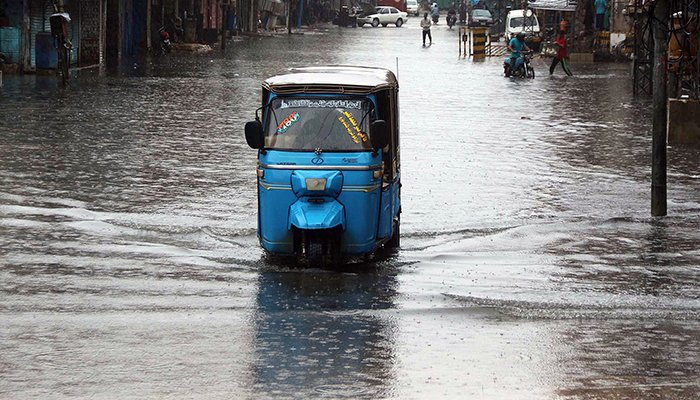
Meanwhile, as many as 15 more people died in two tragic incidents of roof collapse in Khairpur and Shikarpur in the aftermath of unprecedented rains and floods that have caused colossal damage to life, property, crops and infrastructure across the province.

Chief Minister Sindh Murad Ali Shah has warned that a heavy flood of 600,000 cusecs was heading for Guddu Barrage alongside impending rains forecast from Tuesday.

In the first instance in Khairpur, 10 flood victims died after the roof of the mosque — they had taken refuge from the floods in the native areas — caved in. The accident also left 100 people injured.

The tragedy struck once again in Shaikarpur where the roof of a house collapsed following torrential rains, killing five members of the same family, including four children.

The family was sleeping at the time of the incident and was buried under the debris. The locals in both cases rushed to rescue the people trapped under the debris and shift the survivors to nearby hospitals.

Expressing profound grief over the life losses due to the collapse of the roofs of houses, CM Sindh told journalists at Sukkur that a flood of 600,000 cusecs of water is heading for Guddu Barrage for which necessary equipment and material have been deployed to strengthen the dams and embankments from Sukkur to Kotri.

He said the situation in the current year is far more challenging than that posed by the historic deluge of 2010 and 2011 and added that unprecedented 500 times more rains have occurred in four spells since mid-July, which has caused misery and damage across 11 worst-hit districts of the province.

Appreciating the federal government for timely assistance, CM Murad said the federal government is “helping us with the efforts of [PPP] Chairman Bilawal Bhutto”.

Warning that he would not brook any negligence in rescue and relief efforts, he said strong action will be taken against every official who is found negligent.

He also warned the hoarders from stockpiling commodities of daily use at this time of national tragedy.

US declines to comment on Imran Khan’s terrorism charges

WASHINGTON: The United States declined on Monday to comment on terrorism-related charges against PTI Chairman Imran Khan, saying it does not side with a political party.

In a press conference, US State Department spokesperson Ned Price said that the country was “of course” aware of the reports about the charges.

But he said this is a matter of the Pakistani legal and judicial system.

“It is not directly a matter for the United States, and that’s because we don’t have a position on one political candidate or party versus any other political candidate or party.”

The State Department spokesperson added that the US supports the “peaceful upholding of democratic, constitutional, and legal principles in Pakistan and around the world”.


The former prime minister was booked under the Anti-Terrorism Act (ATA) after he threatened an additional sessions judge, Zeba Chaudhry, and senior officers of the Islamabad Police at a rally in the federal capital’s F-9 Park last week.

But hours after the first information report (FIR) was registered against Khan, he got relief from the Islamabad High Court (IHC) as he secured transit bail till August 25.

The IHC has also taken notice of the threats issued by the PTI chairman and will take up a contempt of court notice to the former prime minister today.

The political temperature in the country has been high since April — when Khan was ousted from the prime minister’s office. Since then, he has been rallying supporters against the government and political matters are being regularly taken up with courts.

Apart from Khan, his chief of staff, Shahbaz Gill is also facing a sedition case for inciting hatred and mutiny within the ranks of the Pakistan Army.

The PTI has repeatedly called for the release of Gill, alleging that he has faced torture and sexual abuse in police custody, however, the law enforcers have denied all allegations and submitted a detailed report in this regard to the IHC.

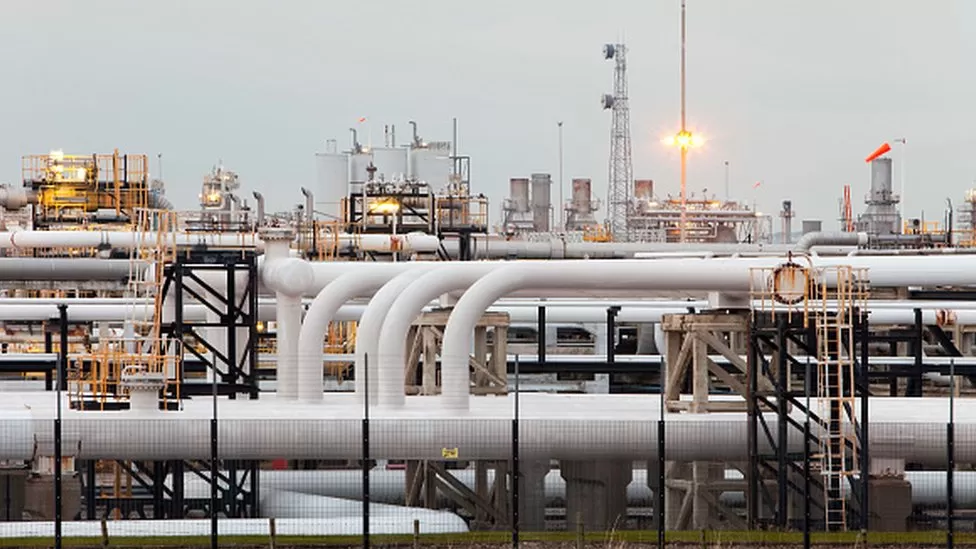
An emergency planning exercise has been doubled in size, as the National Grid gears up for possible gas shortages.

Potential scenarios – including rationing electricity – will be wargamed over four days, rather than the usual two, as energy concerns grow.

The government insists there is no risk to UK energy supplies and consumers should not panic.

But industry insiders told the BBC ministers need to do more to secure supplies this winter.

Business Secretary Kwasi Kwarteng had not sought any advice from government officials on the possibility of rationing energy before the end of June, his department confirmed in response to a BBC Freedom of Information request.


Government sources said this was because the UK had one of the most “reliable and diverse energy systems in the world” thanks to its investment in renewables, nuclear and the North Sea oil and gas industry.

Downing Street has insisted households and businesses will not face blackouts this winter, telling them not to feel they should cut down on energy use.

But energy experts expressed surprise that Mr Kwarteng had not sought advice on the powers available to him in an emergency to ration supplies, particularly as other countries were working on such plans.

A global squeeze on the supply of gas since late last year has destabilised the global economy, increased living costs, and sent household energy bills skyrocketing.

The Electricity Supply Emergency Code describes the steps Mr Kwarteng could take to ration electricity, should that become necessary.

One course of action includes “rota disconnections”, which involves limiting or cutting power to some customers on a rotational basis to reduce demand.

Keith Bell, professor of electronic and electrical engineering at Strathclyde University, said cutting some gas supplies to large industrial users was a “credible scenario that we need to be ready for”.

“Codes defining what should happen in the event of gas or electricity shortages and who is responsible for what – including the role of the secretary of state – have existed for many years but haven’t had to be used” he added.

“A lesson from the pandemic is the need for preparedness and to test emergency arrangements to be sure that they’re fit for purpose.”

He identified the UK’s dependence on gas imports from abroad and the lack of storage capacity as two major supply risks heading into winter.

Last year, almost 40% of the UK’s electricity was generated by burning gas, while 38% of overall energy supply was imported from abroad.

Charles McAllister, director of policy for lobby group UK Onshore Oil and Gas, said the UK was “at the highest risk of loss of energy supply in decades”.

He said the annual National Grid exercise would assess the extent to which energy demand can be reduced, especially from heavy industry, to mitigate supply risk.

The exercise, which gets under way next month, will involve government agencies, regulators, lobby groups and major energy firms.

Called Exercise Degree, it will simulate scenarios in which a loss of gas supply triggers an emergency situation for the UK’s energy system.

Two industry sources said the difficult energy situation globally and how seriously preparations for that were being taken were factors in the exercise’s expansion to four days.

One scenario explored during last year’s two-day exercise involved “turning off major users” of gas in response to a pumping station issue, a source said.

Meanwhile, some major economies such as Germany and France have made plans for energy rationing should Russia – a major supplier of gas to Europe – turn off the taps this winter.

Energy prices have risen sharply because demand for gas has increased markedly since Covid-19 restrictions ended and the war in Ukraine disrupted supplies from Russia.

Serious rationing of energy possible this winter, says IEA head.

A spokesperson for the Department for Business, Energy and Industrial Strategy said the UK had “one of the most reliable and diverse energy systems in the world”.

Unlike much of the rest of Europe, the spokesperson added, “we are not dependent on Russian energy imports meaning households, businesses and industry can be confident they will get the electricity and gas they need”.

But Labour’s shadow net zero and climate secretary, Ed Miliband, said the Conservative government’s policies had “left bills too high and our energy security too weak”.

“Their short-sightedness has been staggering – from closing our gas storage facilities, to failing to insulate houses and cut bills, and blocking the quickest, cheapest and cleanest renewables in their energy strategy,” the former Labour leader said.

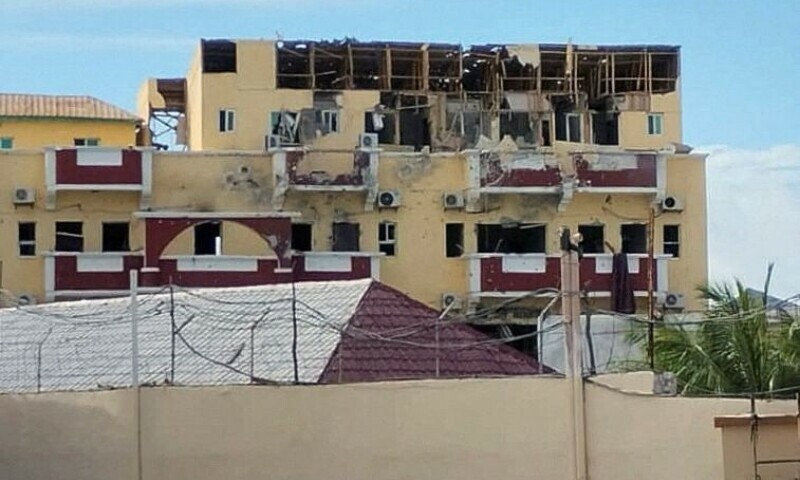
At least 12 killed as Somalia hotel siege enters second day

The attackers blasted their way into the Hayat Hotel on Friday evening with two car bombs before opening fire. Somalia’s Al Shabaab insurgents claimed responsibility.

“So far we have confirmed 12 people, mostly civilians, died,” Mohammed, an intelligence officer who only gave one name, told Reuters.

The gunmen were holding an unknown number of hostages on the second floor of the building, Mohammed said, preventing authorities from using heavy weapons.

They had also bombed out the stairs to make it harder to access certain floors, he said.

As the siege entered its second day on Saturday evening, authorities had secured 95 per cent of the building, the state broadcaster Somali National Television said. The broadcaster did not give an updated number of casualties.

Those battling the militants inside the hotel include Gaashan, a paramilitary force specialising in counter-insurgency, a senior official told Reuters.

The detonations sent huge plumes of smoke over the busy junction on Friday night, and the sound of gunfire still crackled across the capital on Saturday evening.

Explosions were heard on Friday night as government forces tried to wrest control of the hotel back from the militants, witnesses said.

Large sections of the hotel were destroyed by the fighting, they said.

Friday’s attack was the first such major incident since President Hassan Sheikh Mohamud took office in May.

The Al Qaeda-linked Al Shabaab group claimed responsibility for the attack, according to a translation by the SITE Intelligence Group, which monitors jihadist group statements.

Al Shabaab has been fighting to topple the Somali government for more than 10 years. It wants to establish its own rule based on a strict interpretation of Islamic law.

The Hayat Hotel is a popular venue with lawmakers and other government officials. There was no immediate information on whether any of them had been caught up in the siege.

15 dead in northern India after monsoon floods

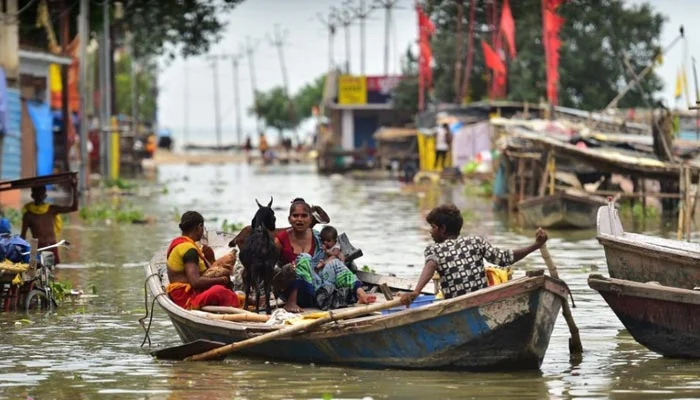
SHIMLA, INDIA: At least 15 people were killed in India after heavy monsoon rains triggered flash floods and landslides near the Himalayan foothills, authorities said Saturday.

Flooding and landslides are common and cause widespread devastation during India’s treacherous monsoon season.

Experts say climate change is increasing the number of extreme weather events around the world, with damming, deforestation and development projects in India exacerbating the human toll.

Rescue officials were rushed to Mandi district in the northern state of Himachal Pradesh where a torrent of floodwater swept away two houses and killed eight people, a government statement said.

Landslides and flooding claimed seven other lives across the state, the release added.

Television news footage showed part of a railway bridge washed away by the deluge in nearby Kangra district.

In Hamipur district, flash floods stranded 19 people on the rooftops of local buildings before they were rescued by disaster response teams.

Schools were closed in the worst-affected districts.

Picturesque Himachal Pradesh is famed for its snow-capped mountains and is popular with tourists.

Last month, eight people died after flash floods triggered by a sudden downpour struck a camp for pilgrims in nearby Kashmir.

Heavy rains battered India’s remote northeast in June, with nearly 40 killed in a landslide that swamped a camp housing railway workers and army reservists in Manipur state

Sixteen people killed in Turkey as bus crashes at accident site

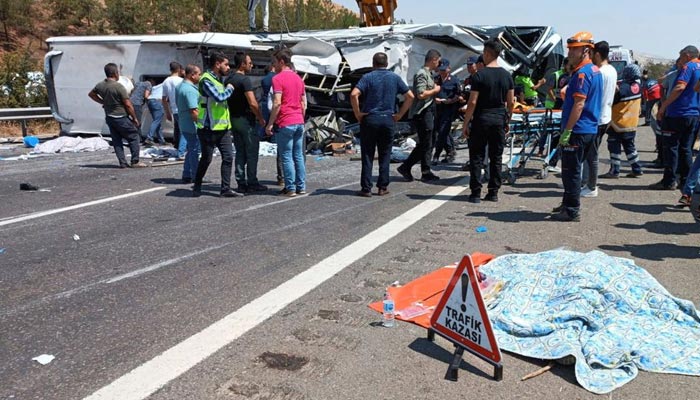
ISTANBUL: Sixteen people were killed in southeast Turkey on Saturday when a bus crashed into emergency workers and journalists who were attending an earlier accident on a highway near the city of Gaziantep, local authorities said.

Regional governor Davut Gul said the dead included three firefighters, four emergency health workers and two drone operators from a Turkish news agency.


“At around 10:45 this morning, a passenger bus crashed here,” Gul said, speaking from the scene of the accident on the road east of Gaziantep.

“While the fire brigade, medical teams and other colleagues were responding to the accident, another bus crashed 200 metres behind. The second bus slid to this site and hit the first responders and the wounded people on the ground.”

Vice President Fuat Oktay said the emergency workers and journalists had “lost their lives in the line of duty”.